Student Protests III
The October 2026 demonstrations mark the third major wave of historic student uprisings in modern Albanian history, carrying forward a legacy of youth-led defiance that began with the historic December 1990 protests that overthrew the communist regime, and resurfaced during the massive December 2018 university boycotts.

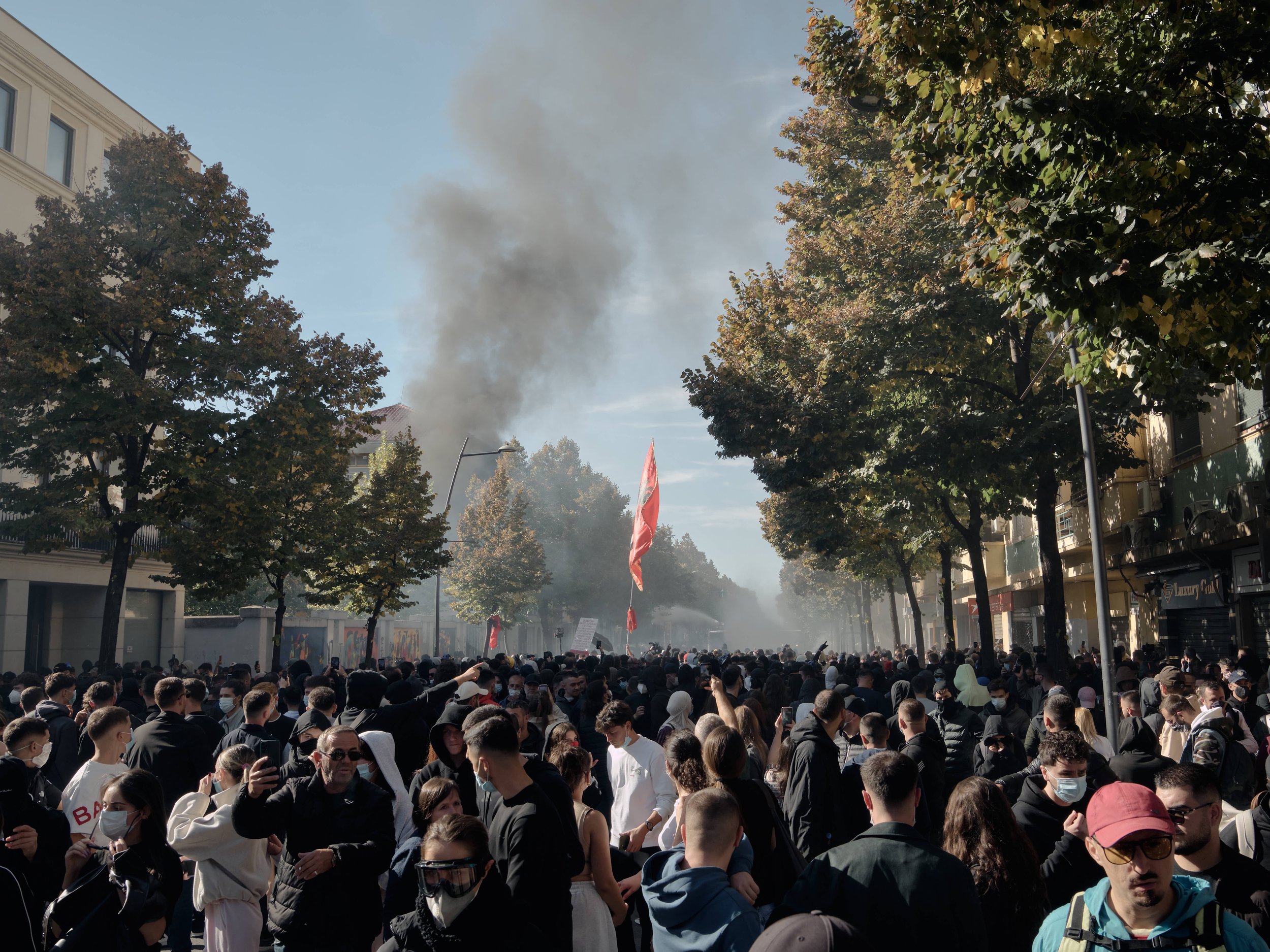
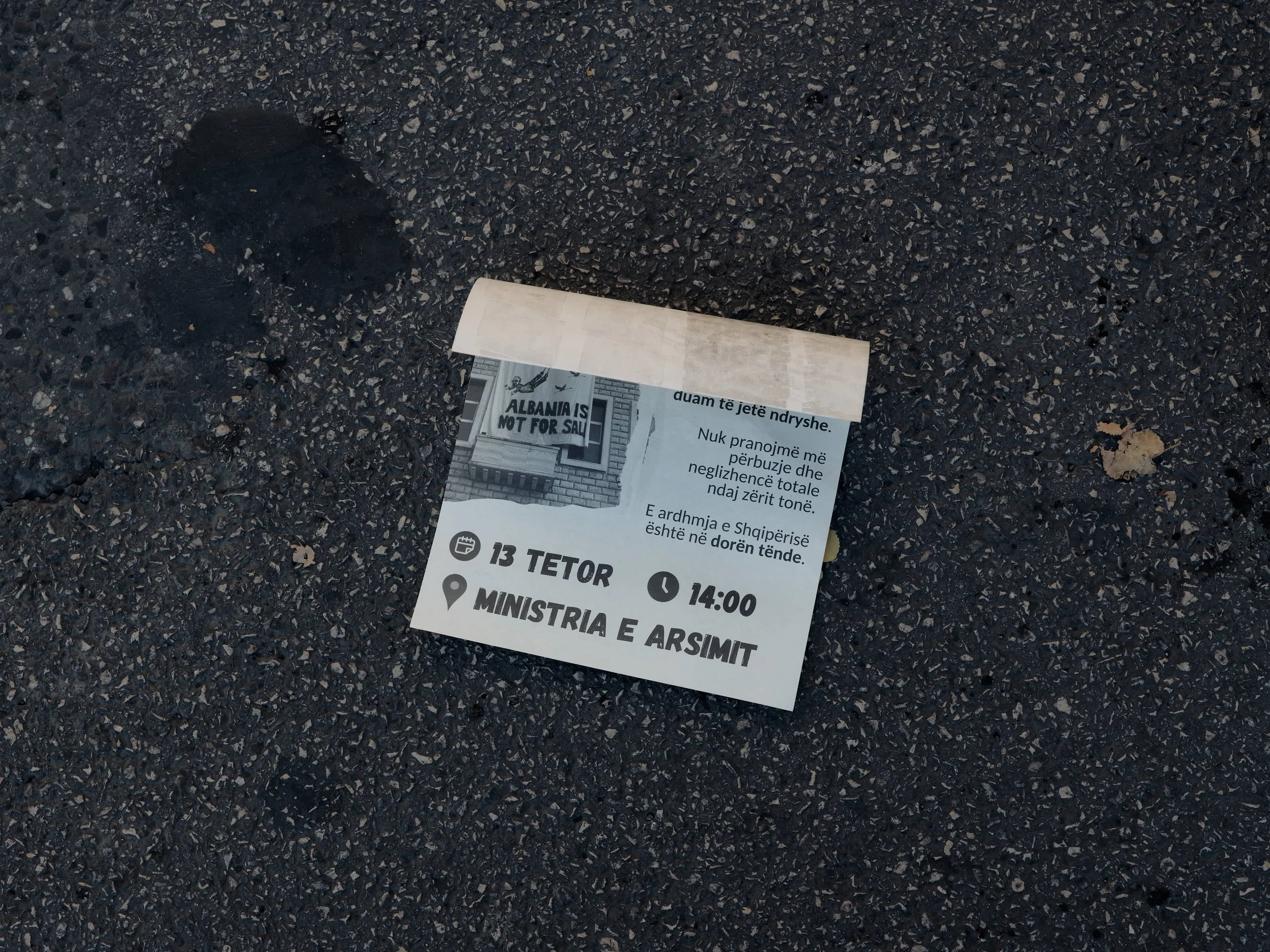
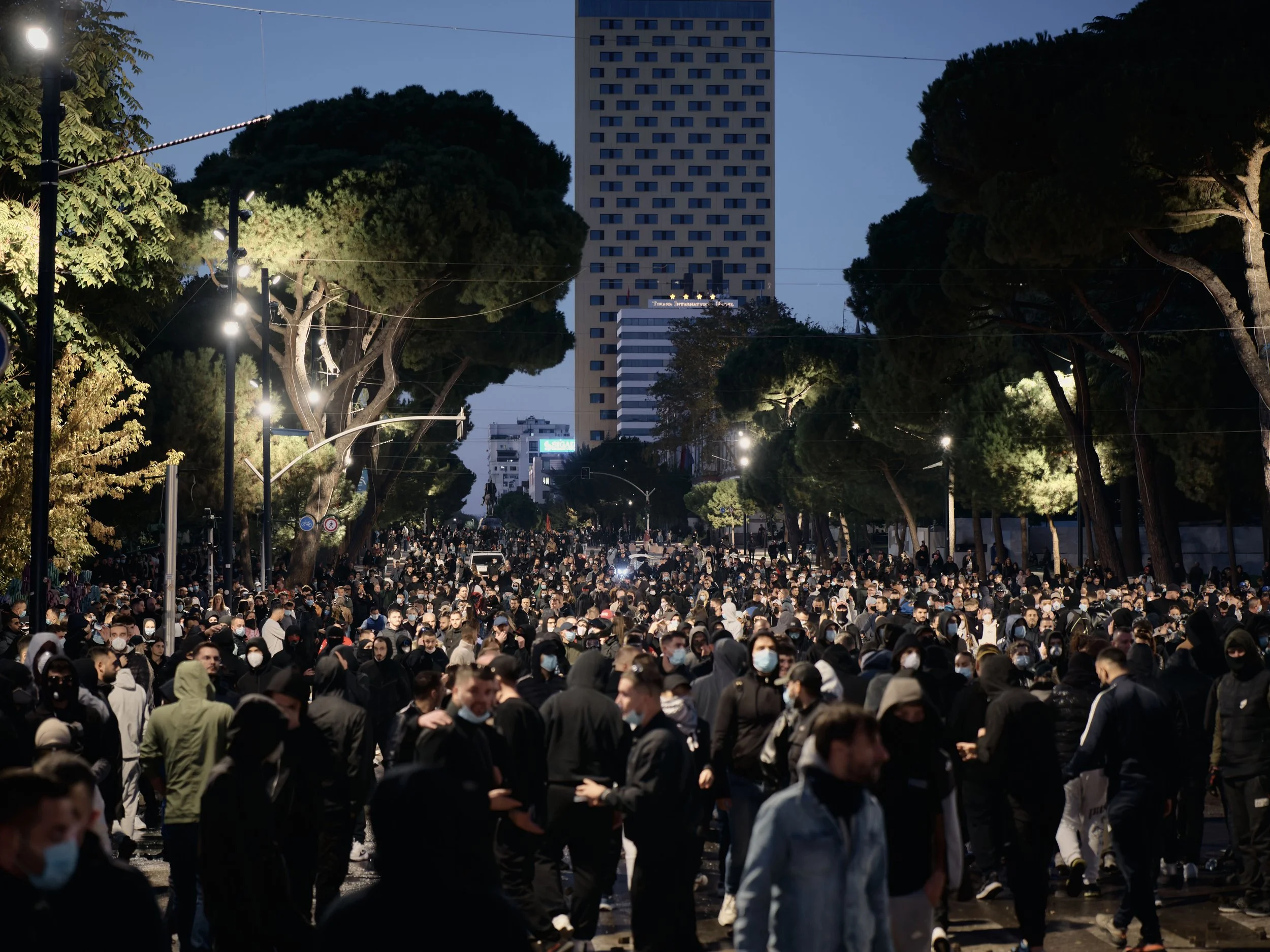
This latest chapter of resistance officially began on October 13, 2026, when thousands of university students boycotted classes and marched into the streets of Tirana. This movement did not emerge in a vacuum; it directly inherited the momentum and activist infrastructure of the "Flamingo Revolution," a historic 135-day environmental protest campaign over the summer that opposed high-end luxury real estate developments in protected coastal areas. Transitioning from environmental defense to academic revolt, the students mobilized against a severe domestic crisis characterized by decaying campus infrastructure, skyrocketing tuition fees, and a systemic lack of domestic job opportunities that continues to drive mass youth emigration.
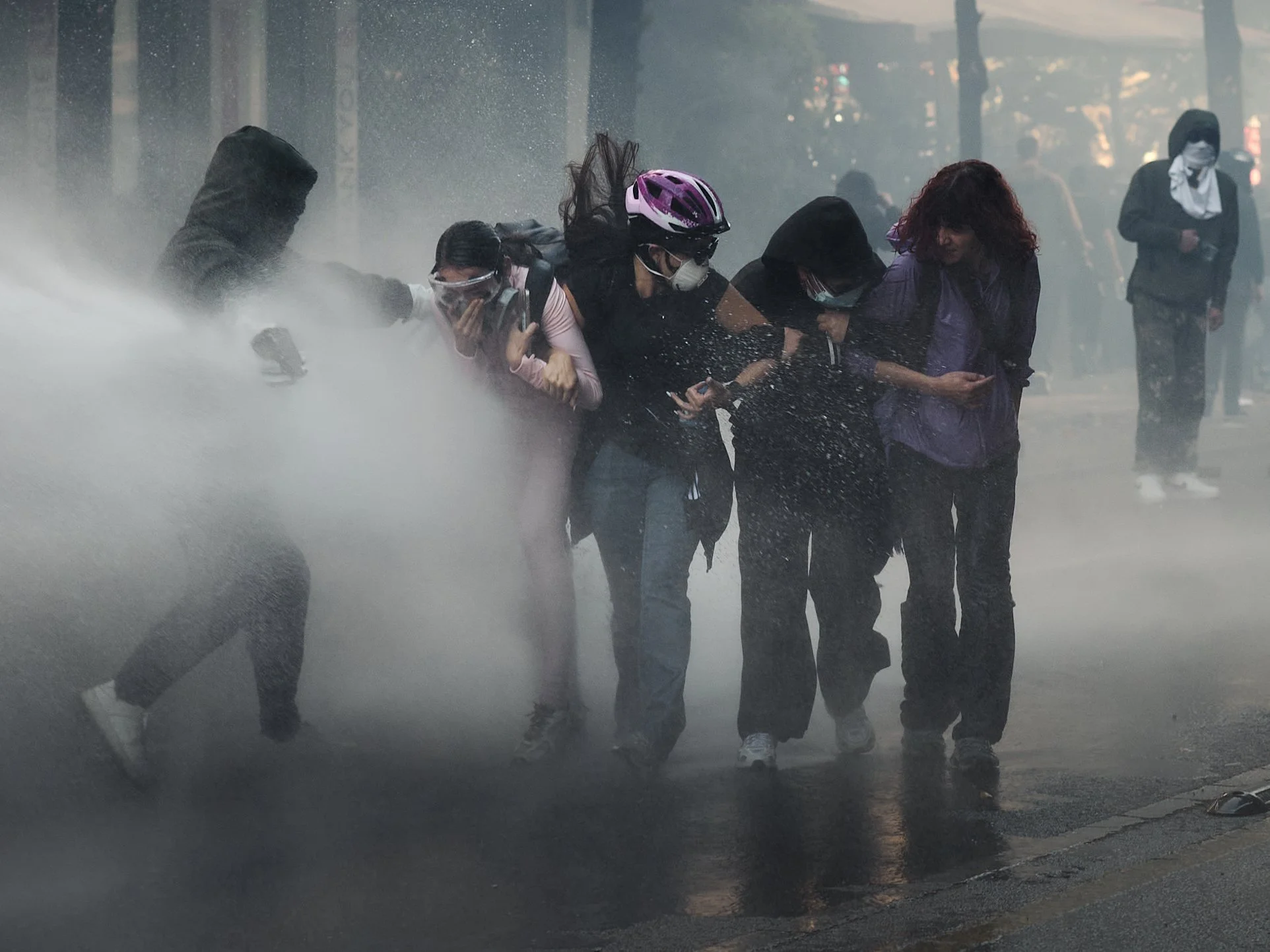
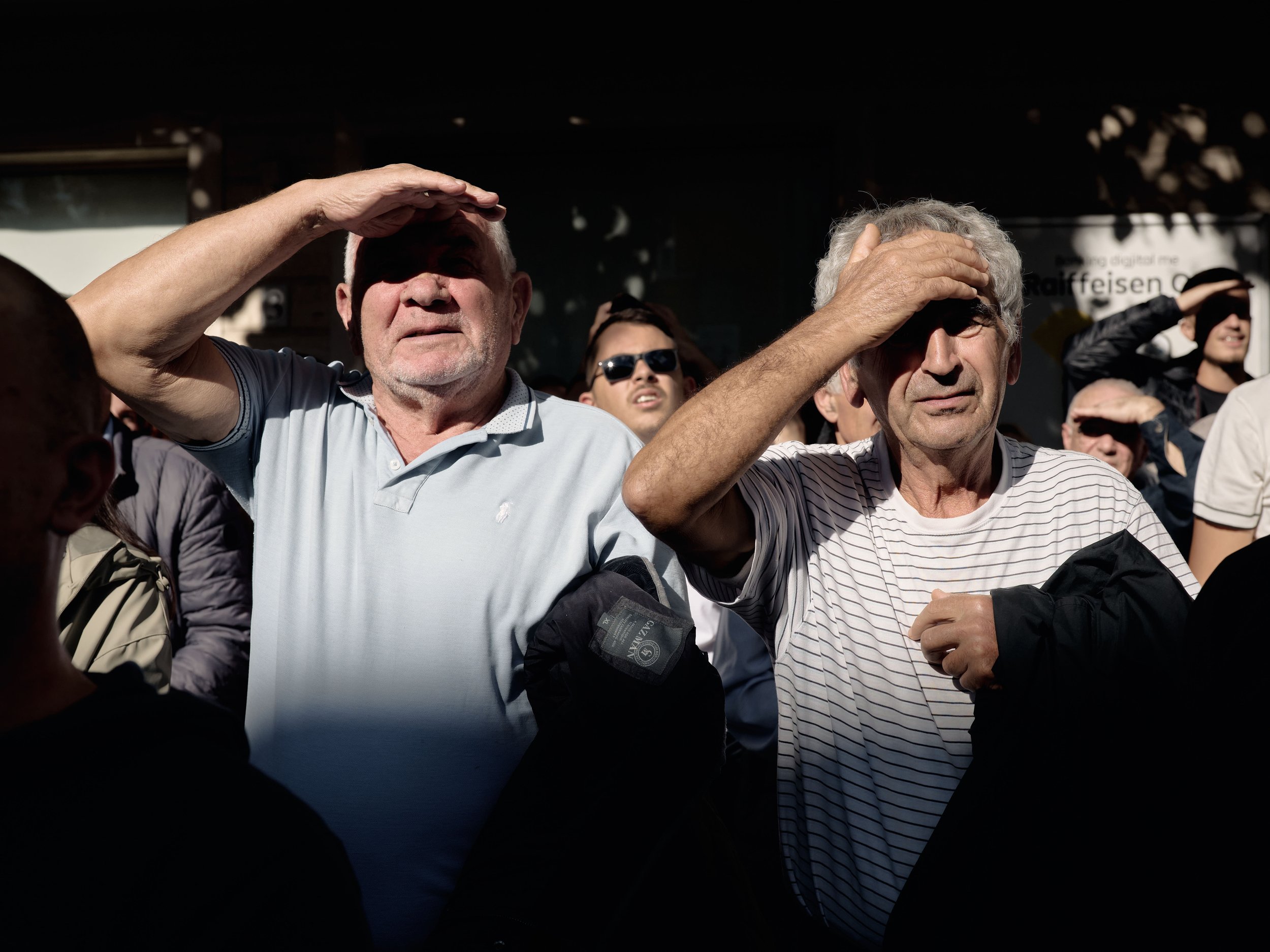
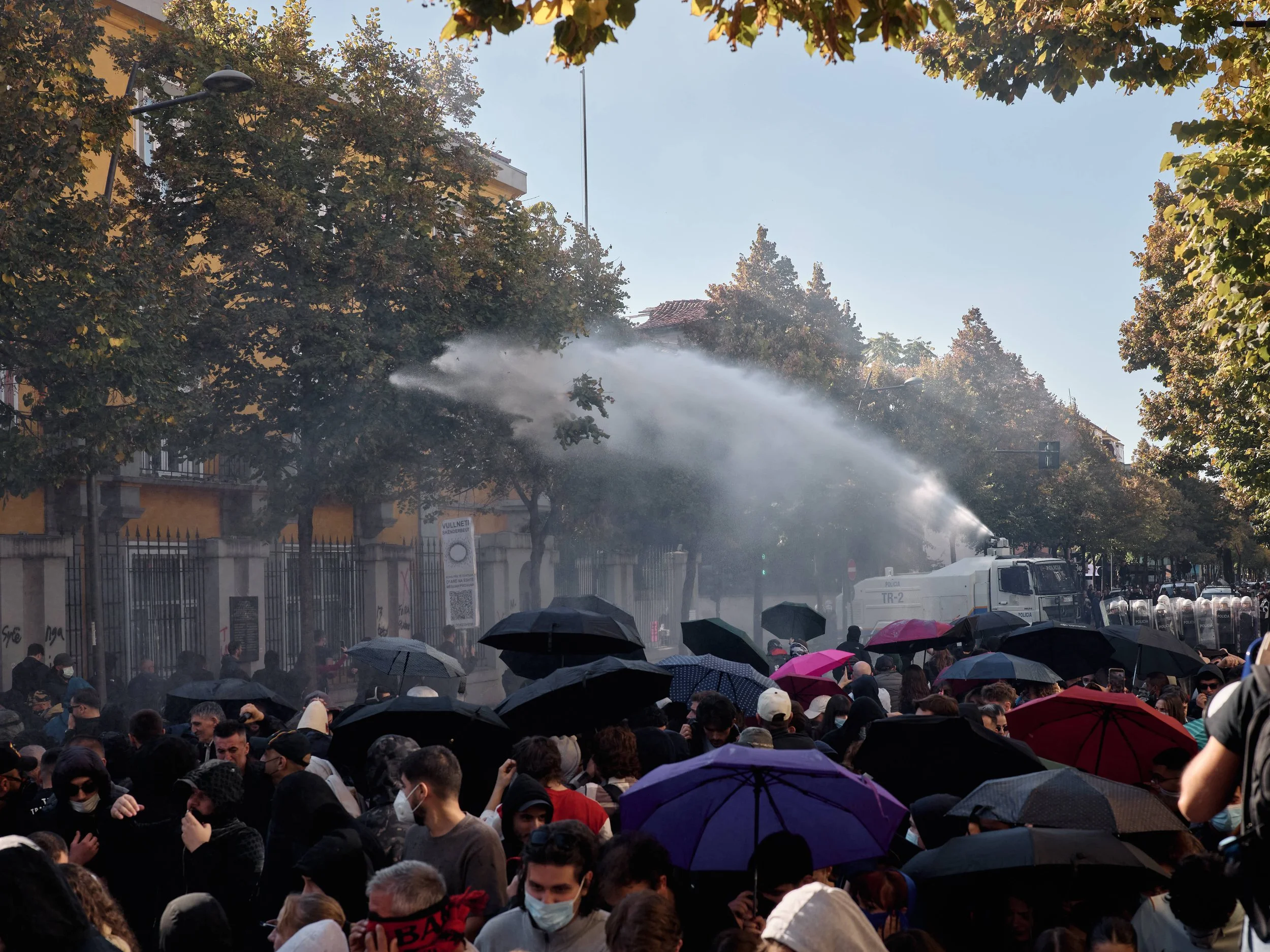
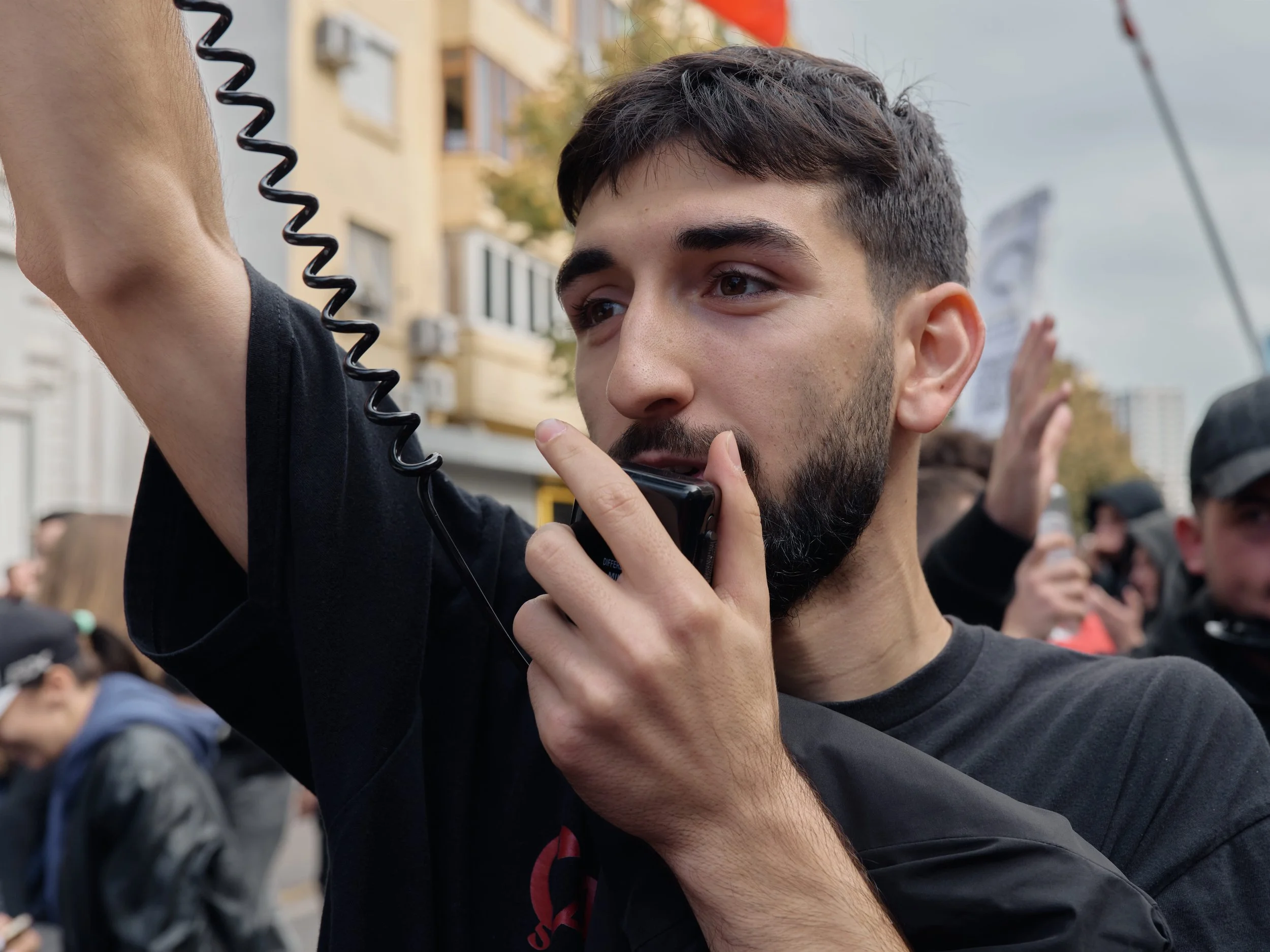
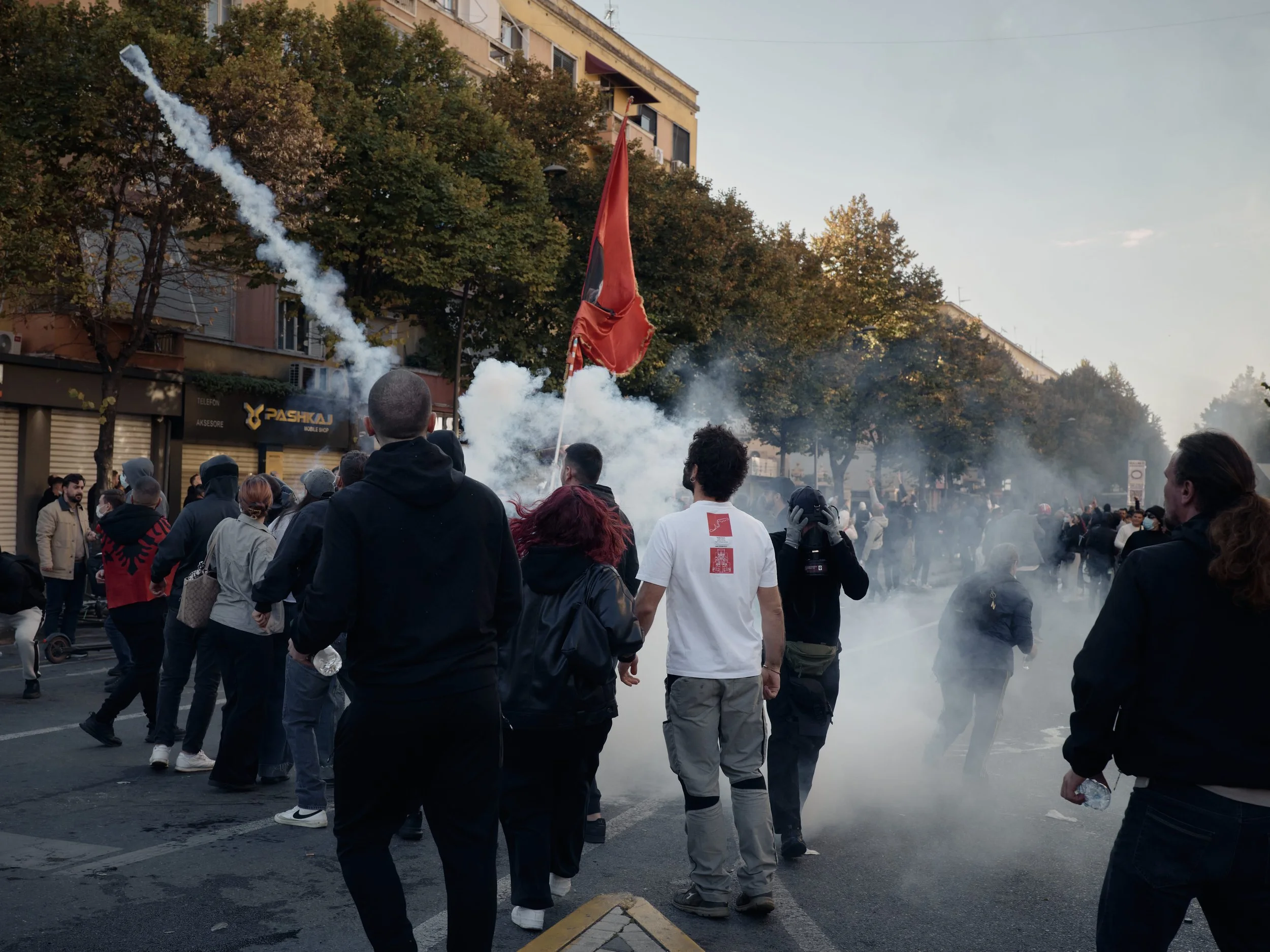
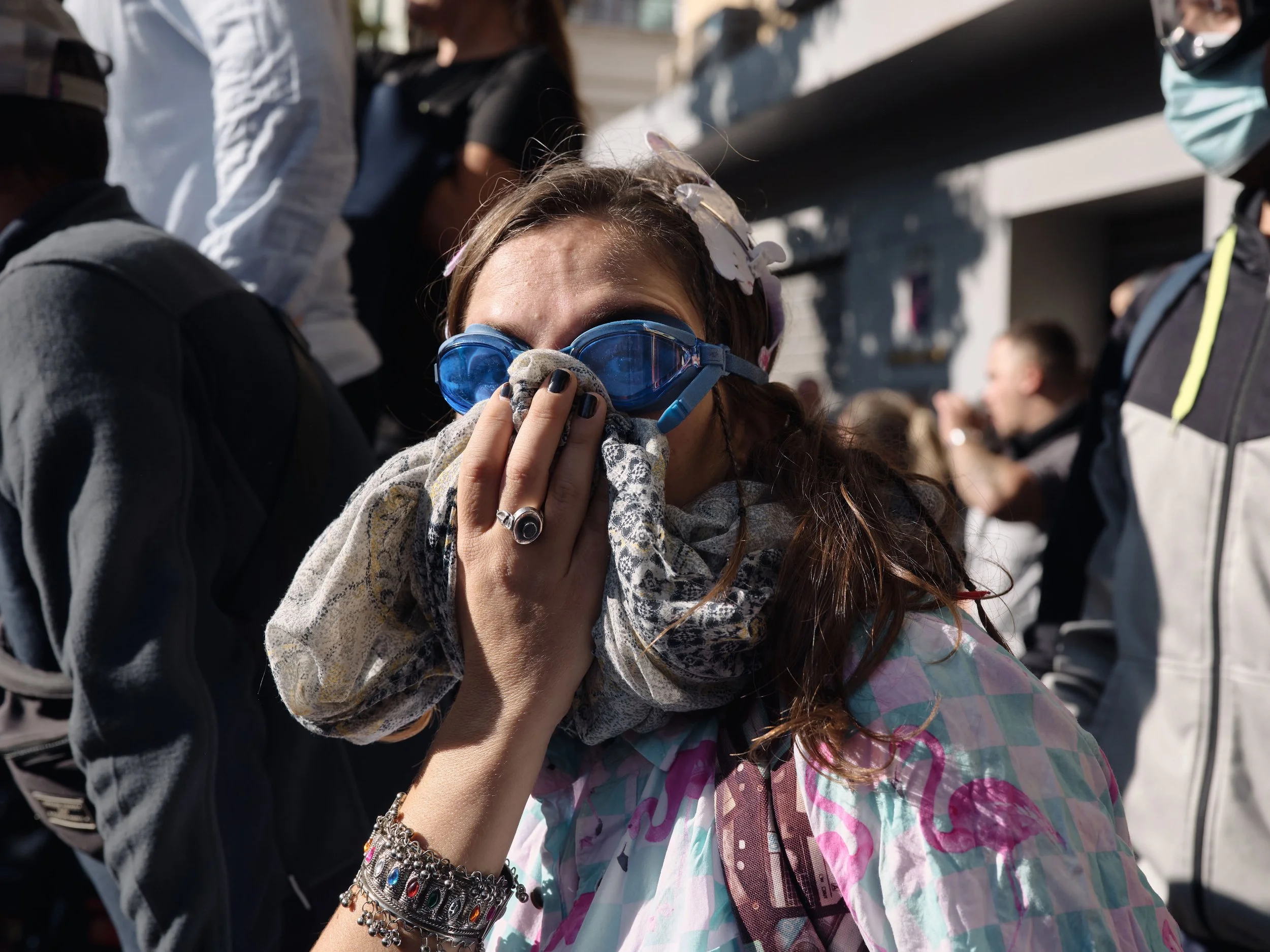
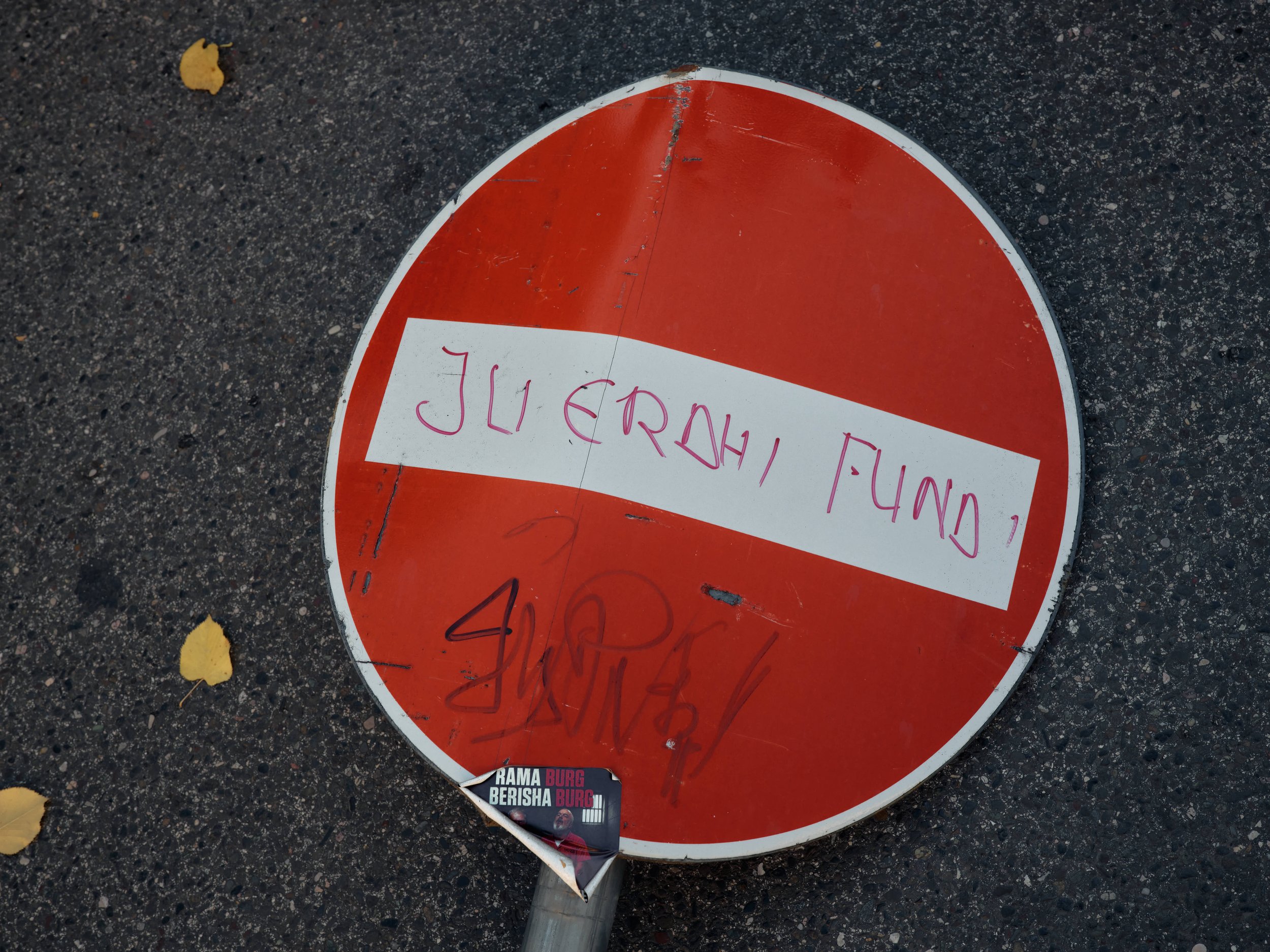
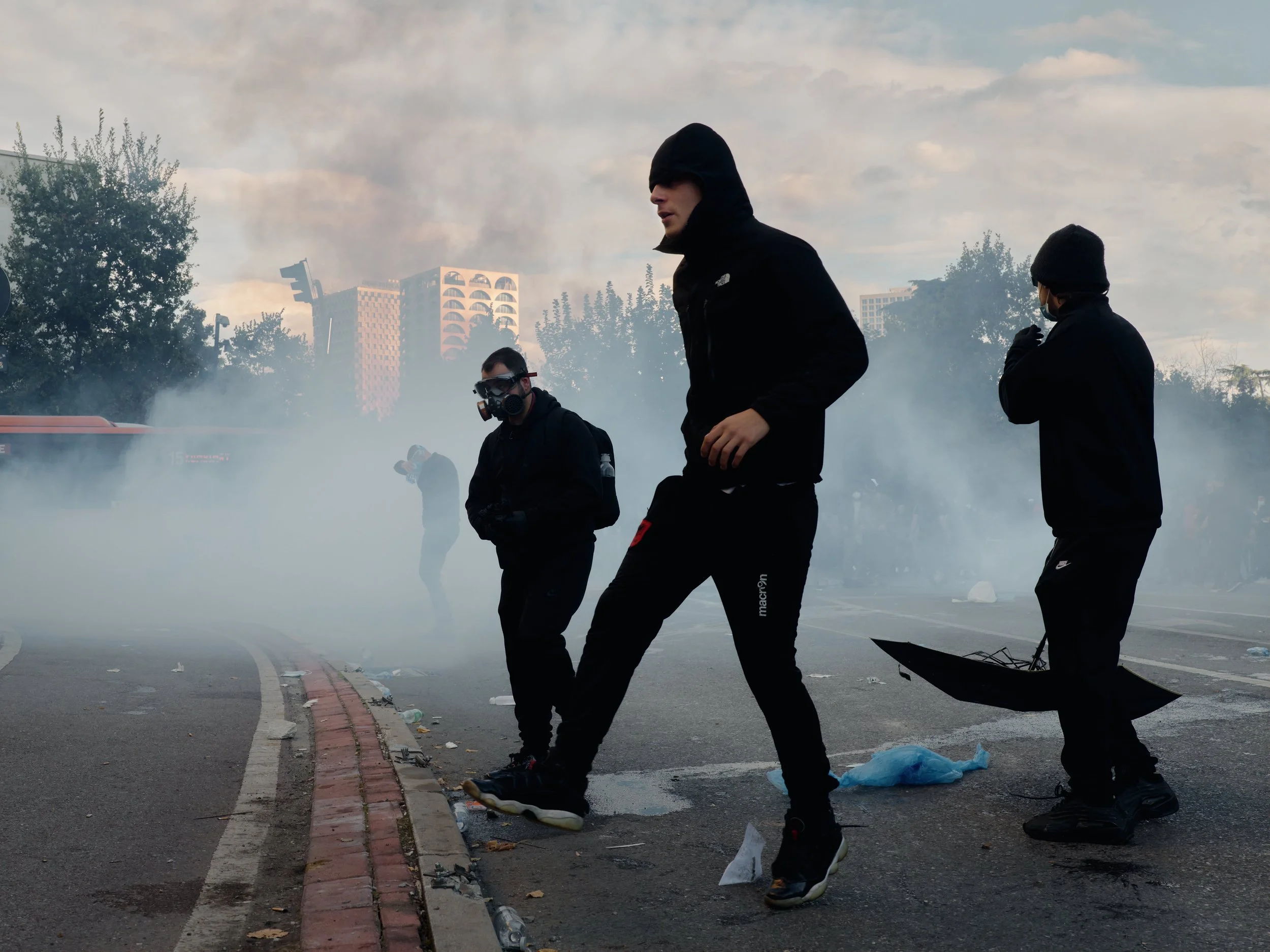
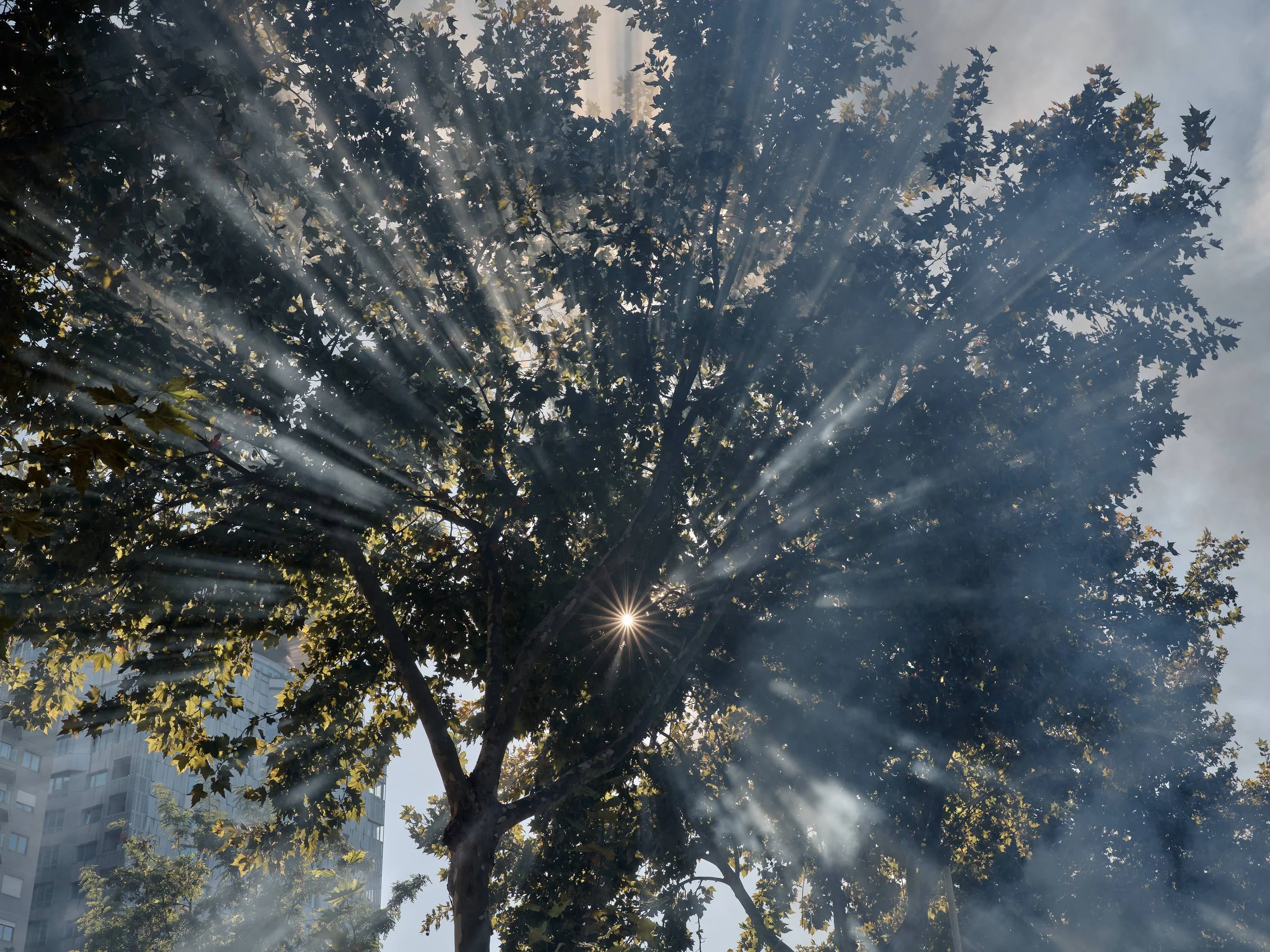
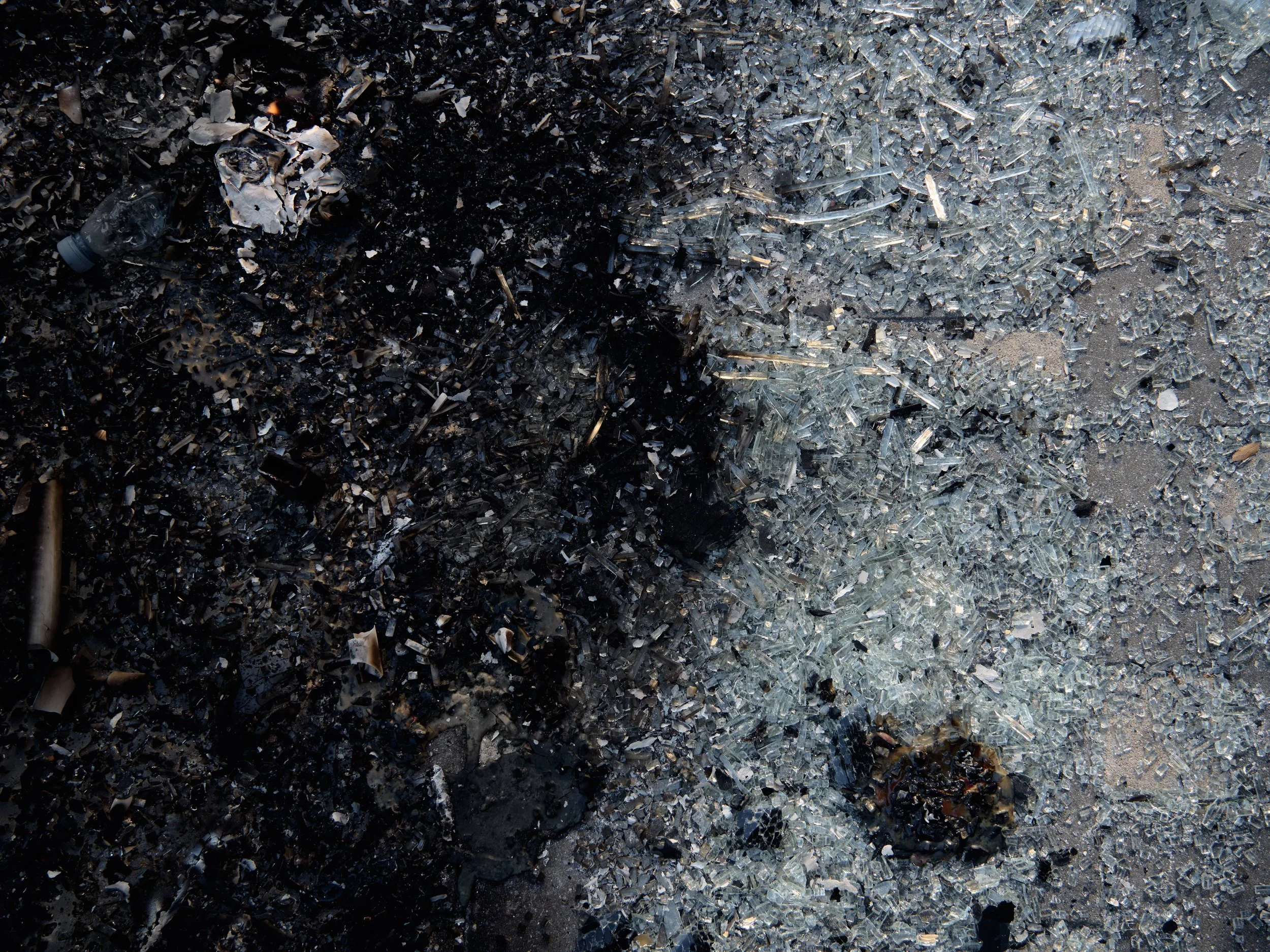
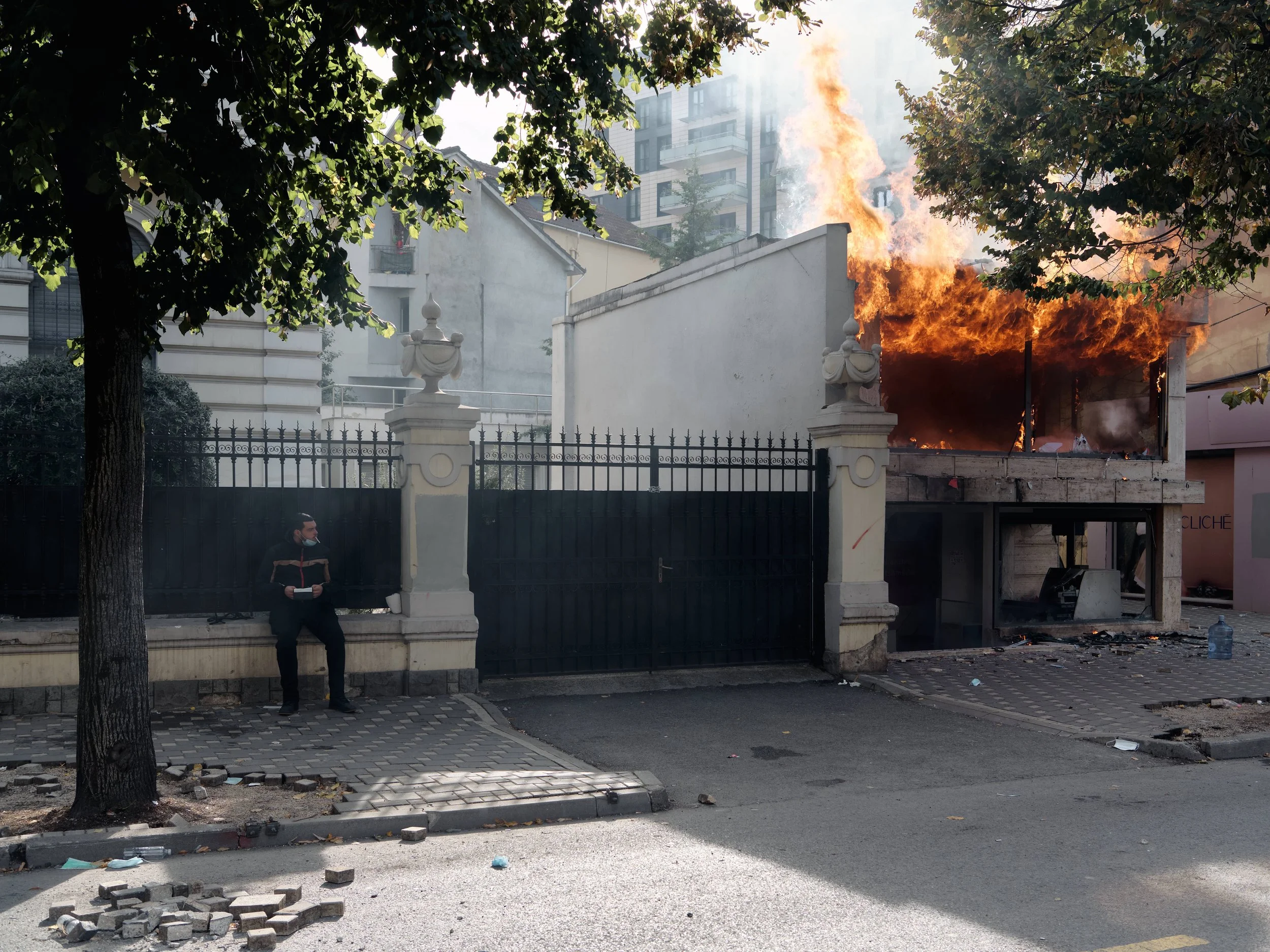
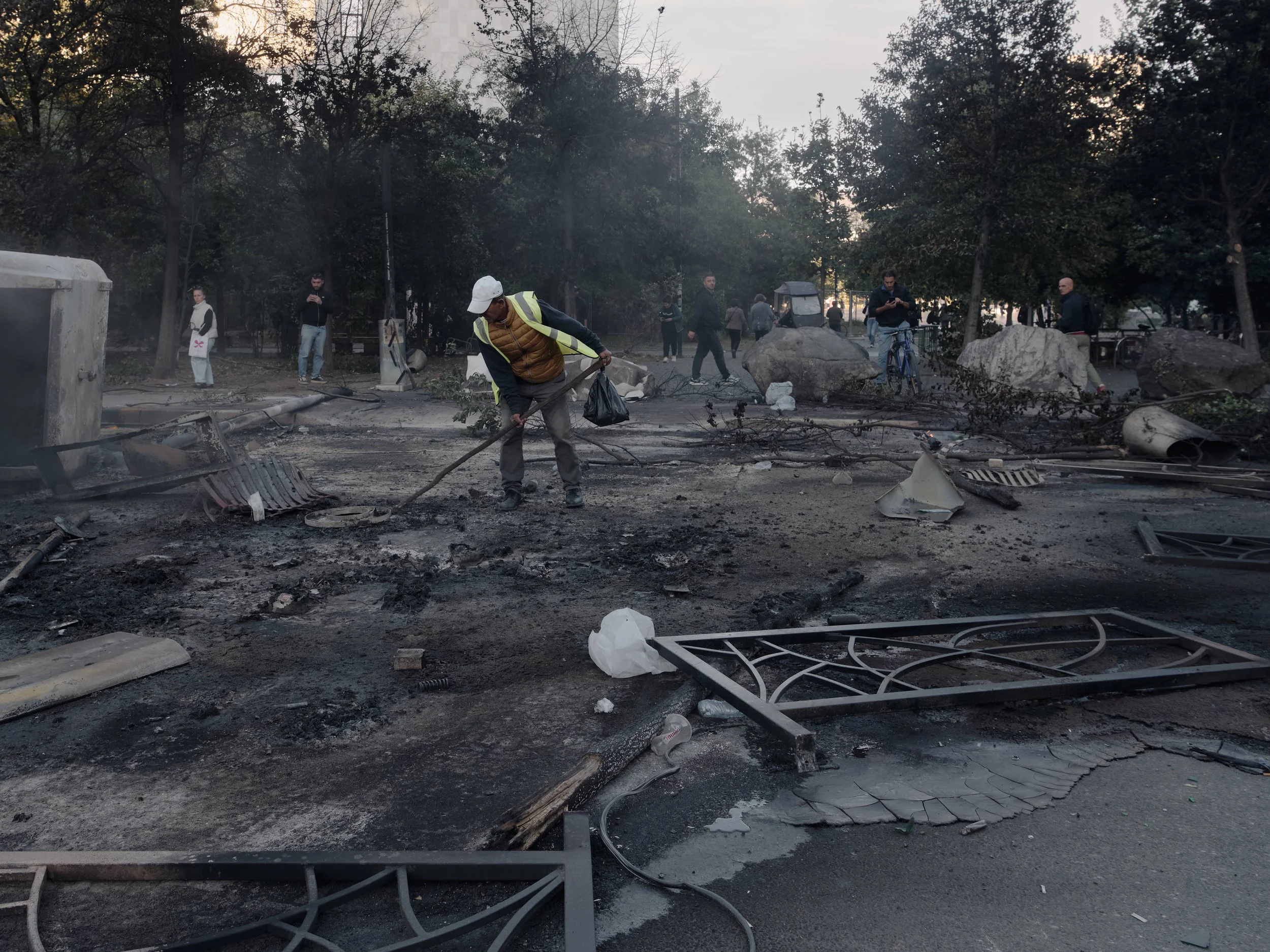
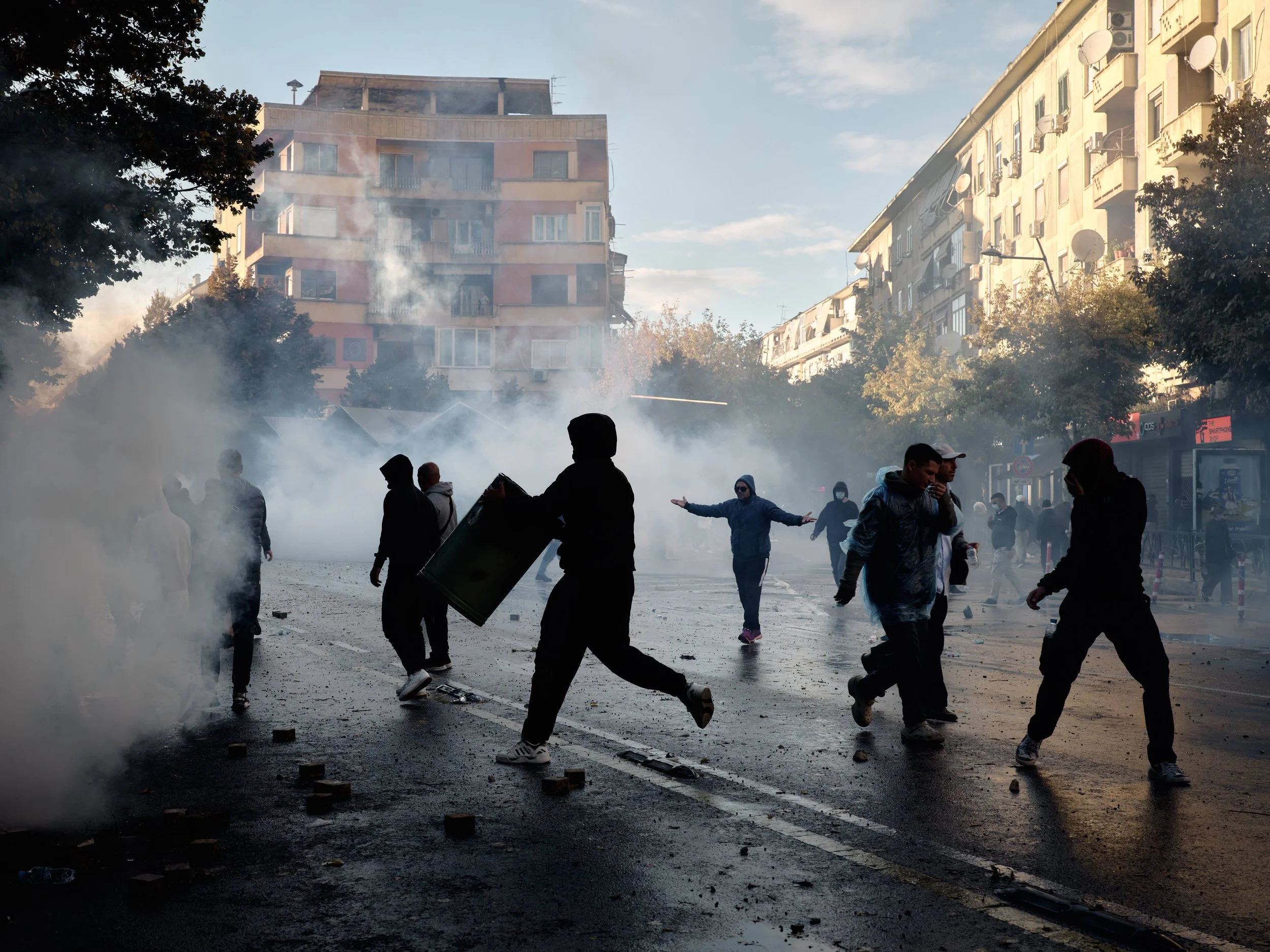
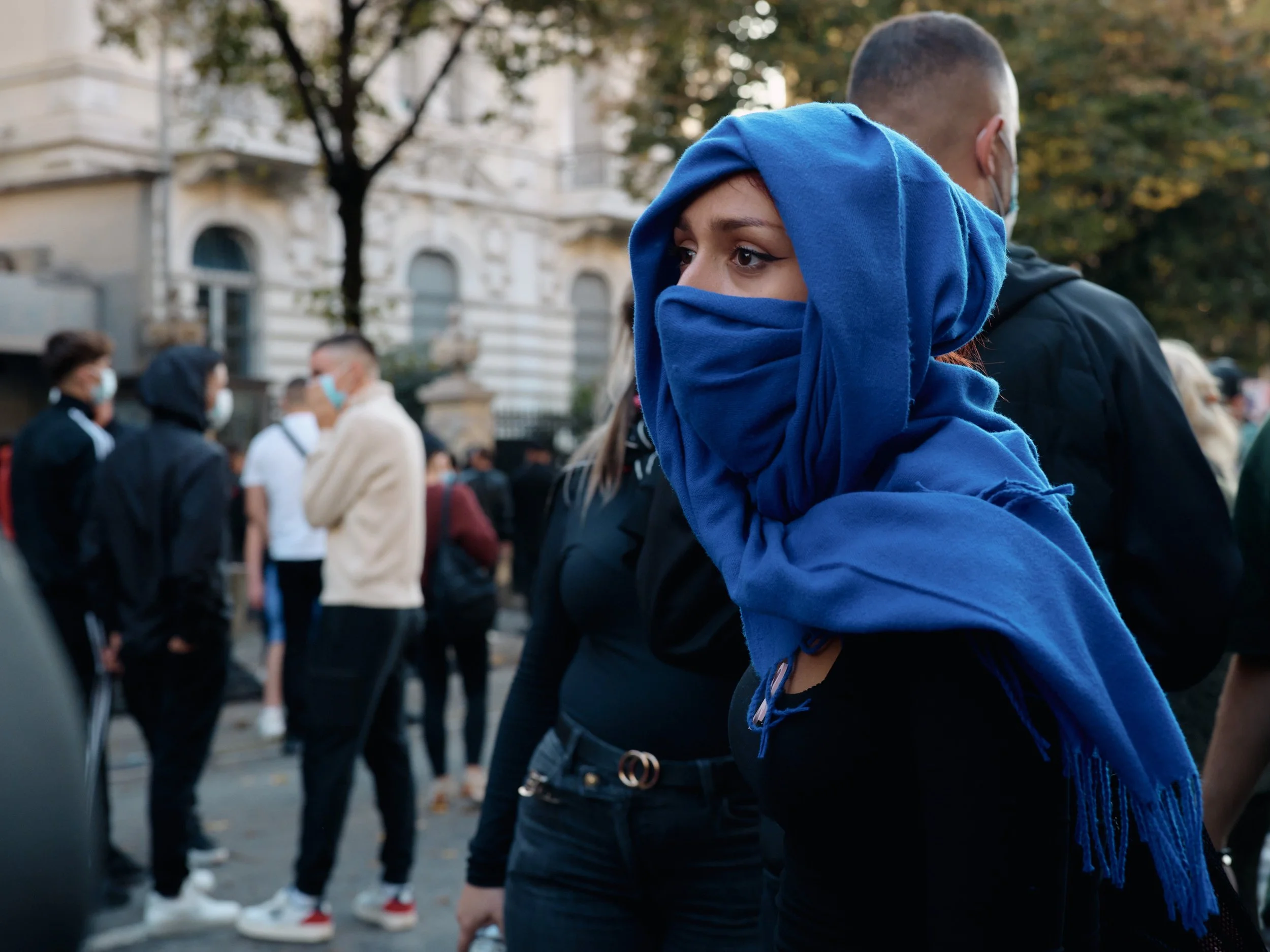
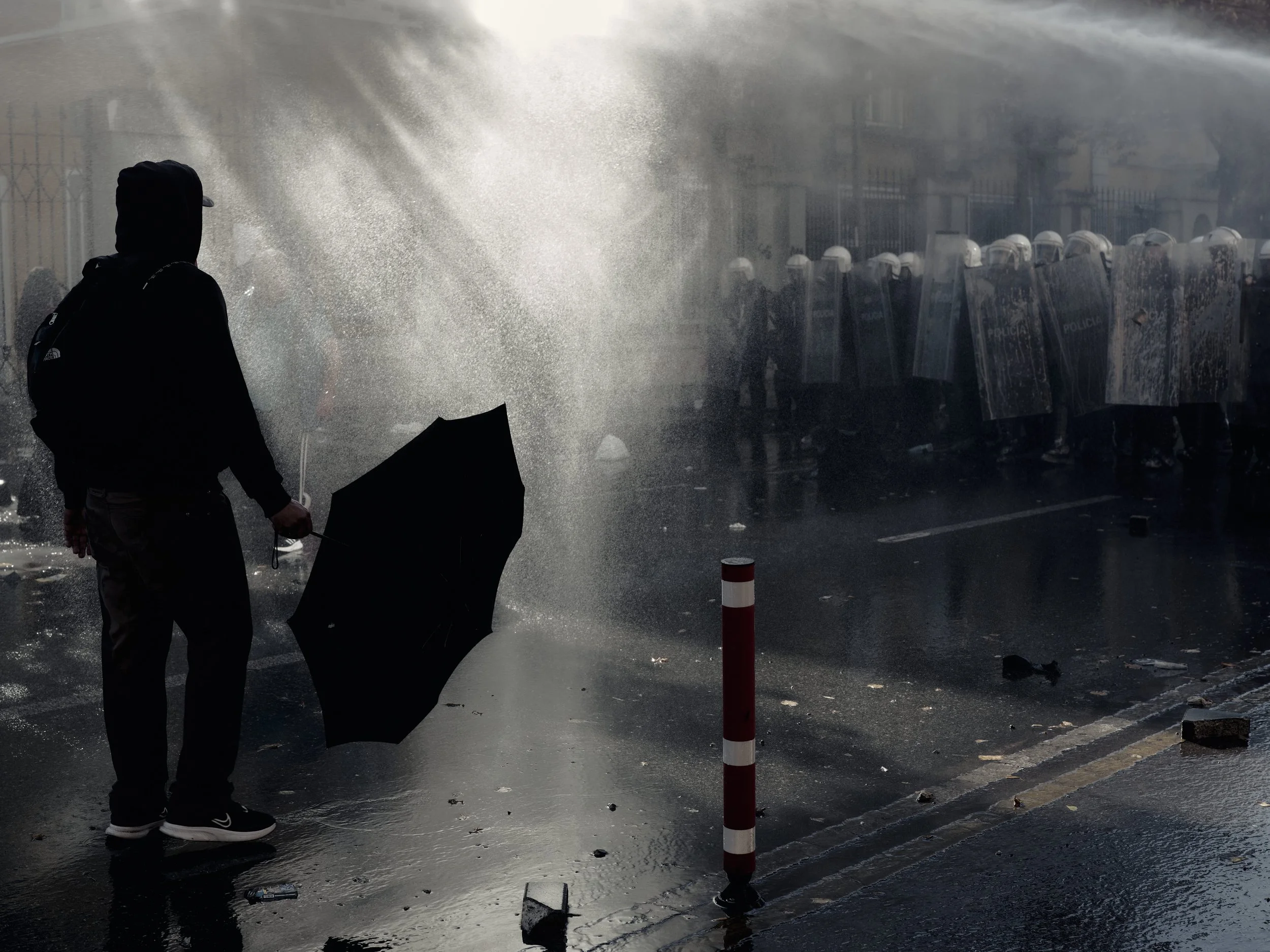
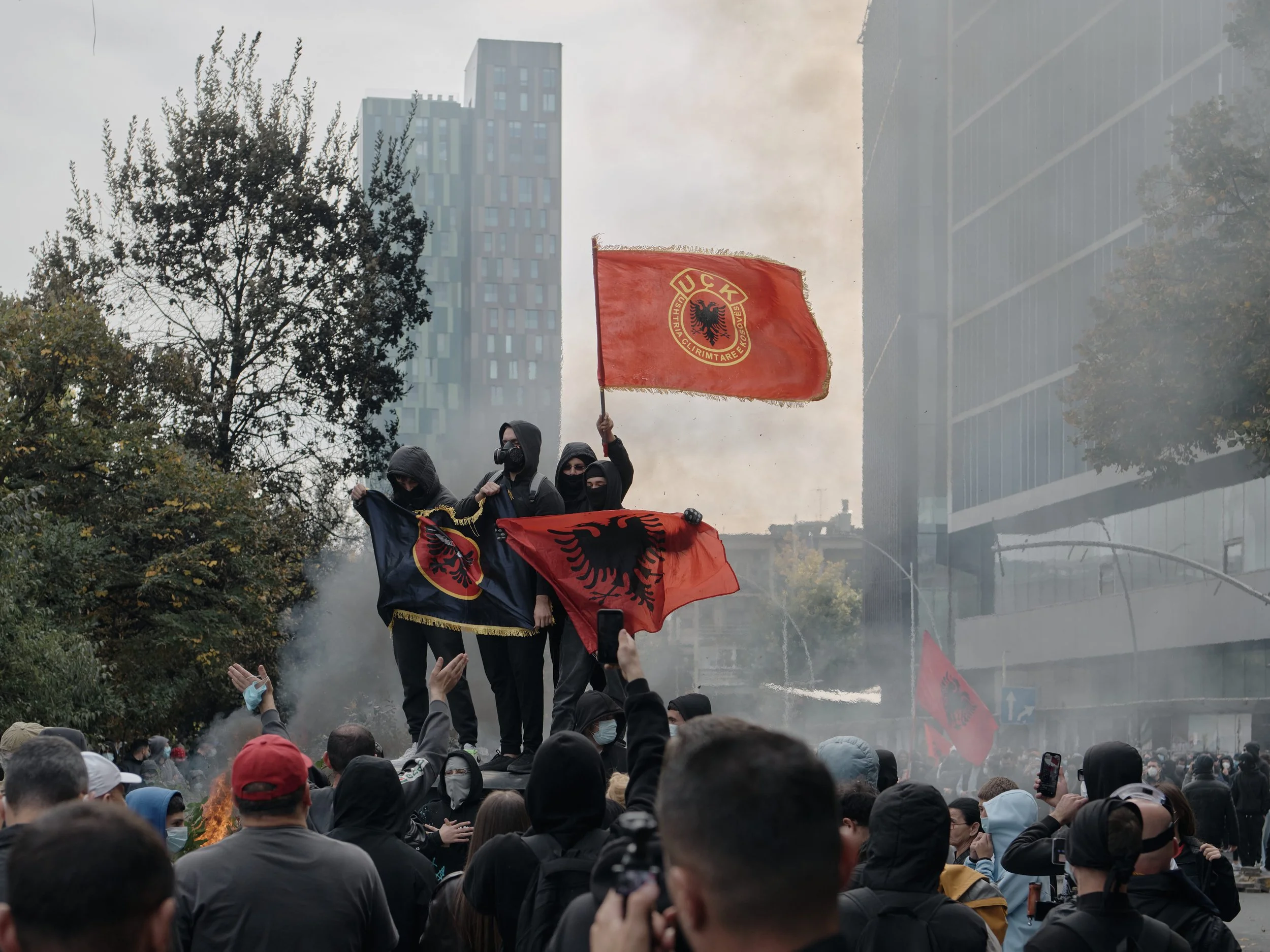
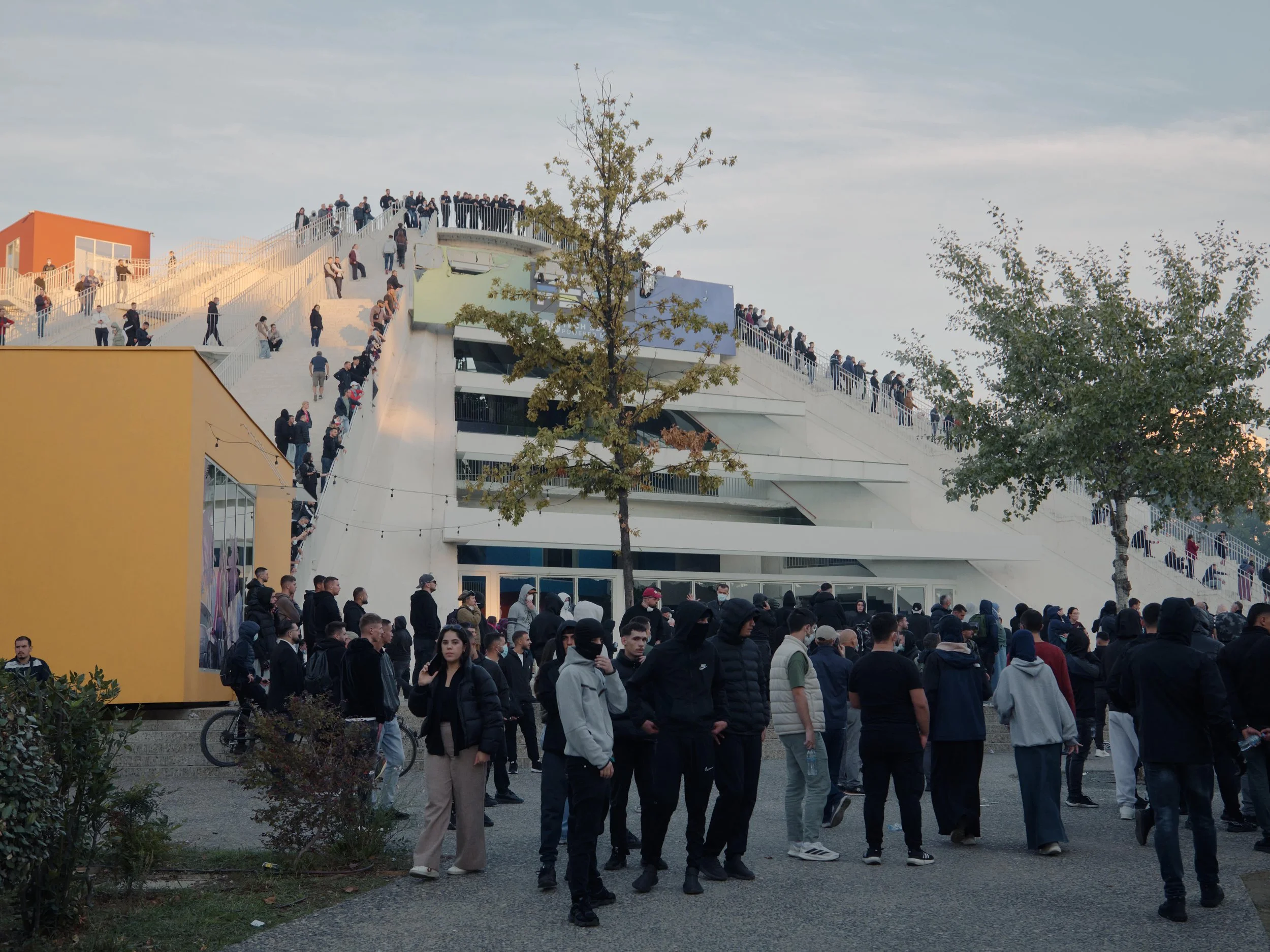
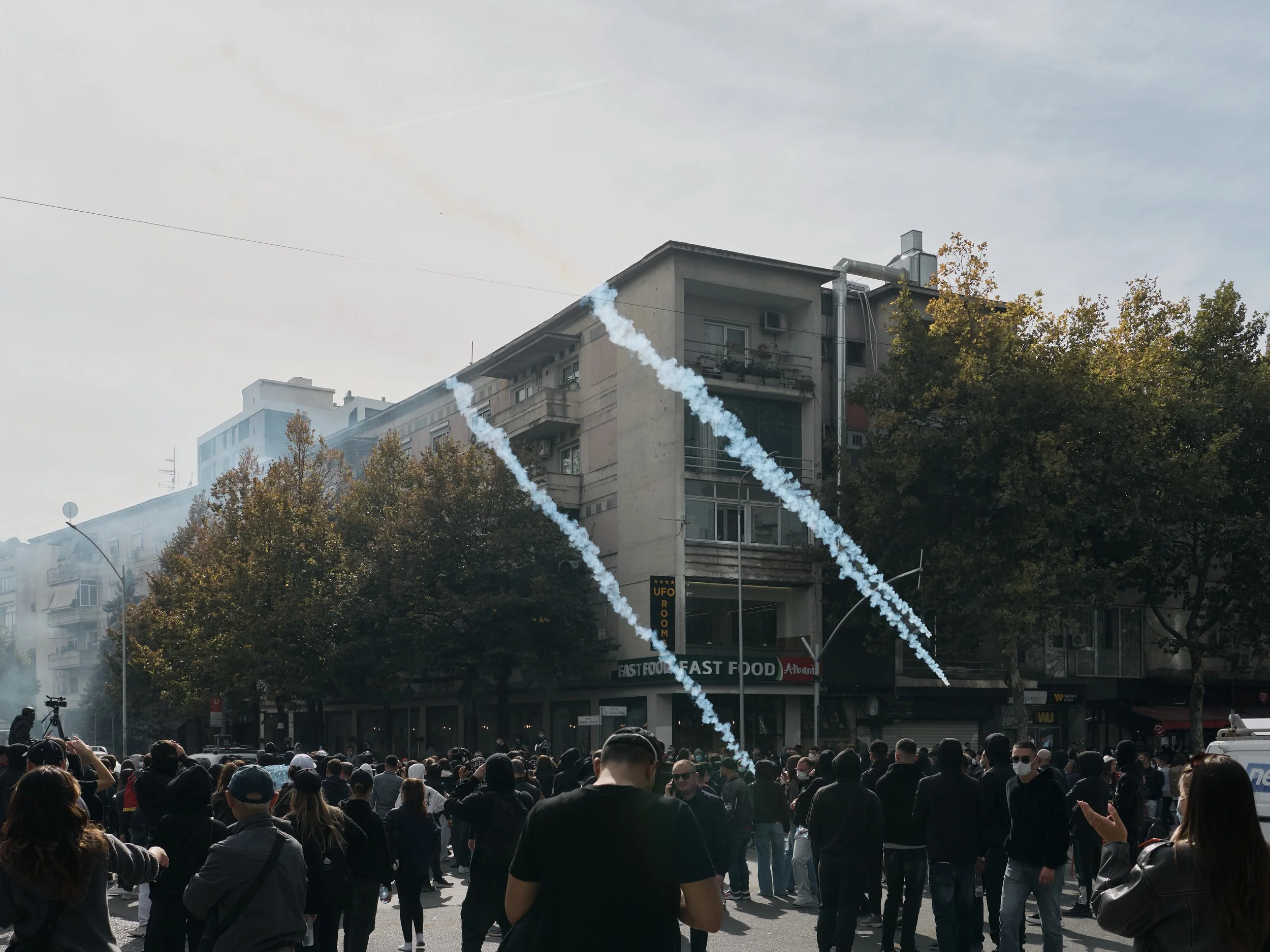
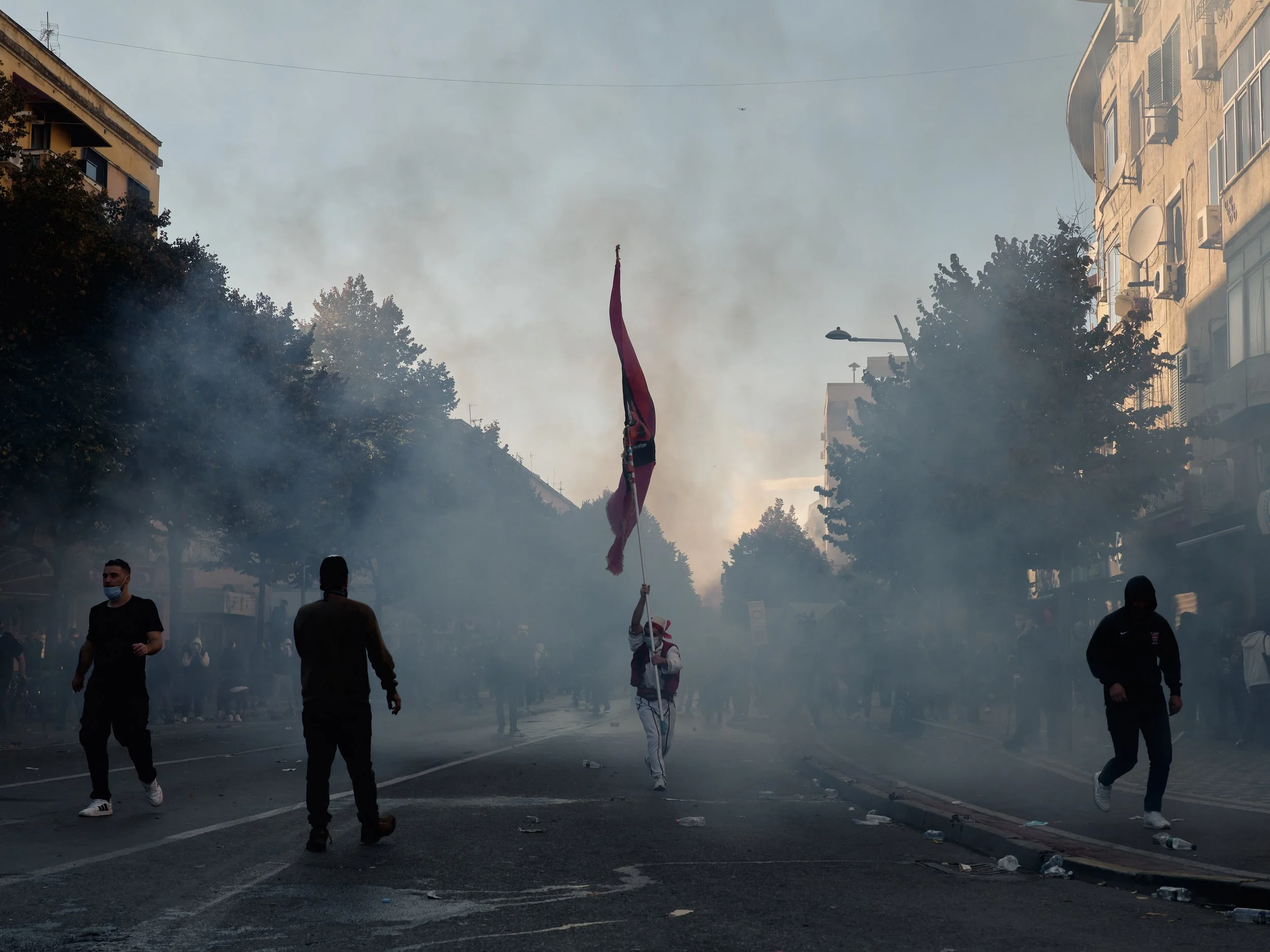
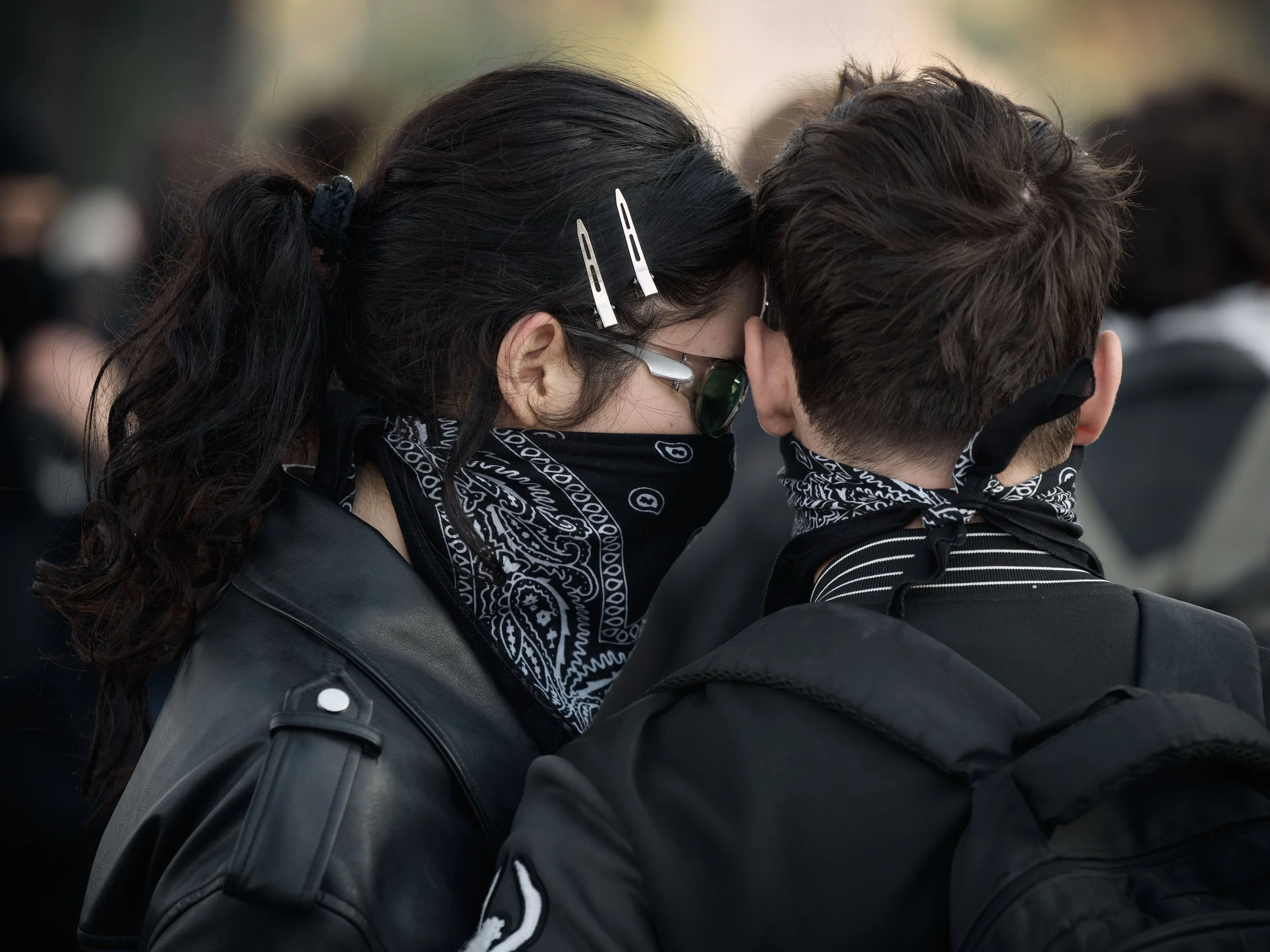
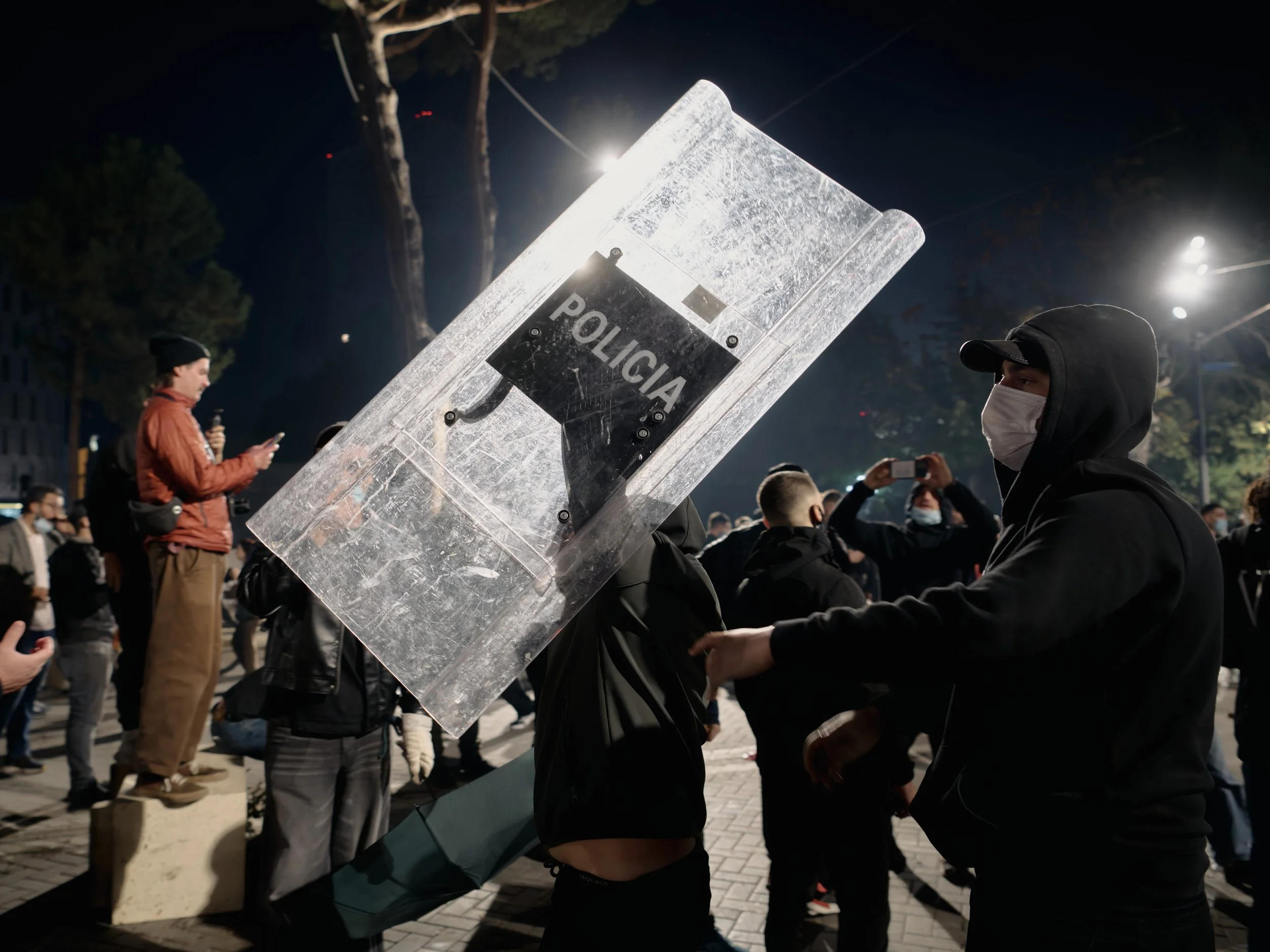
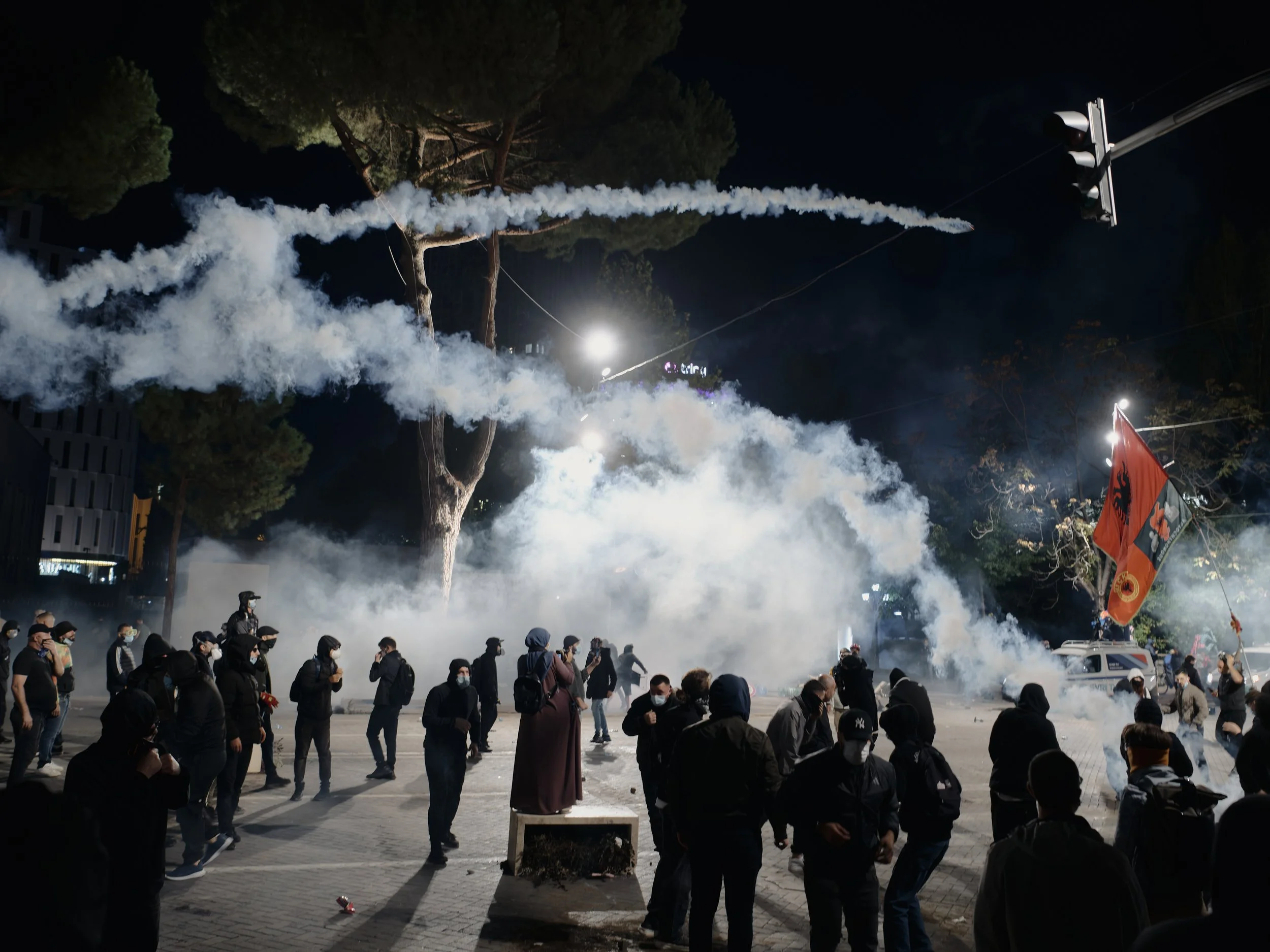
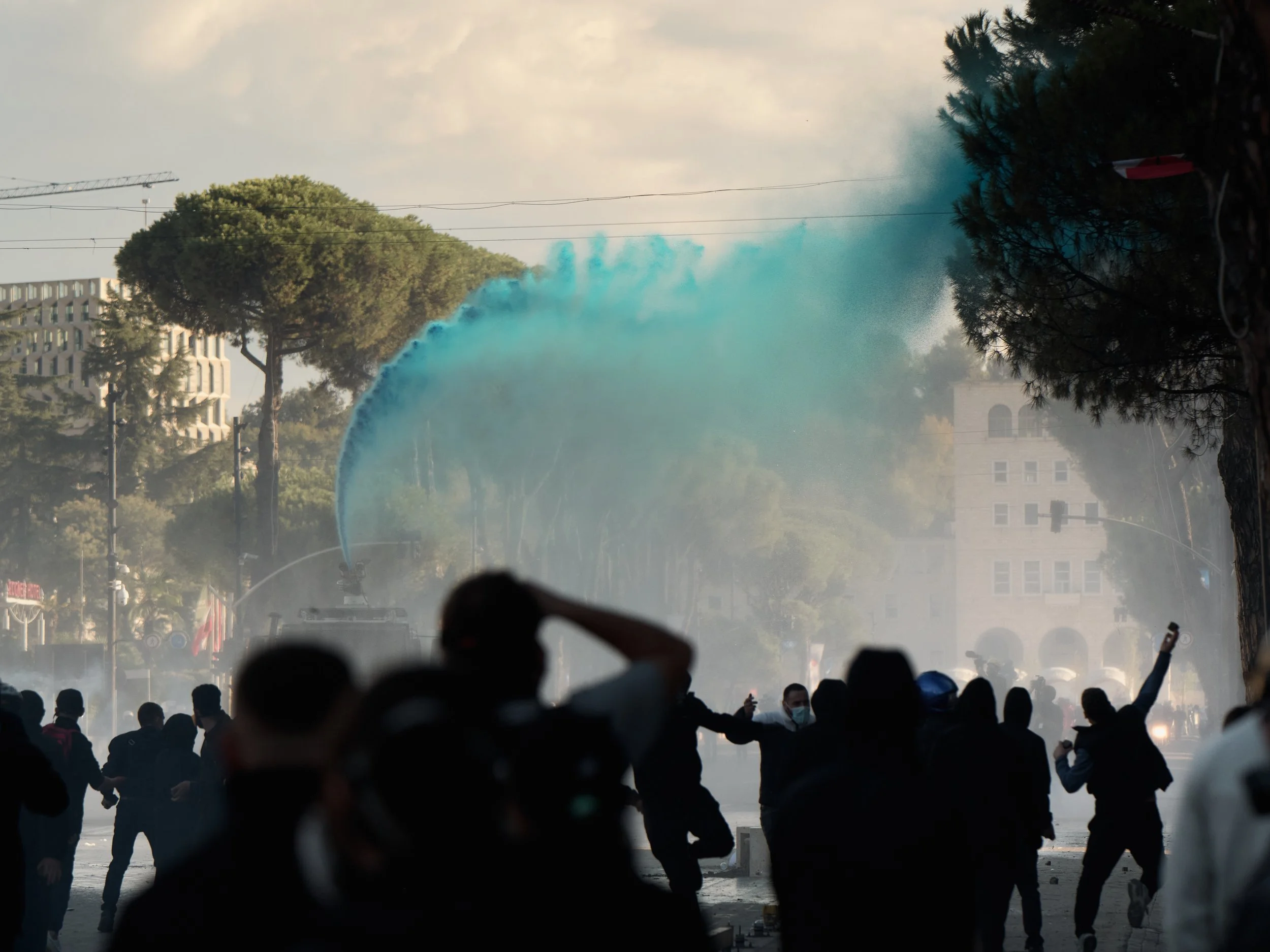
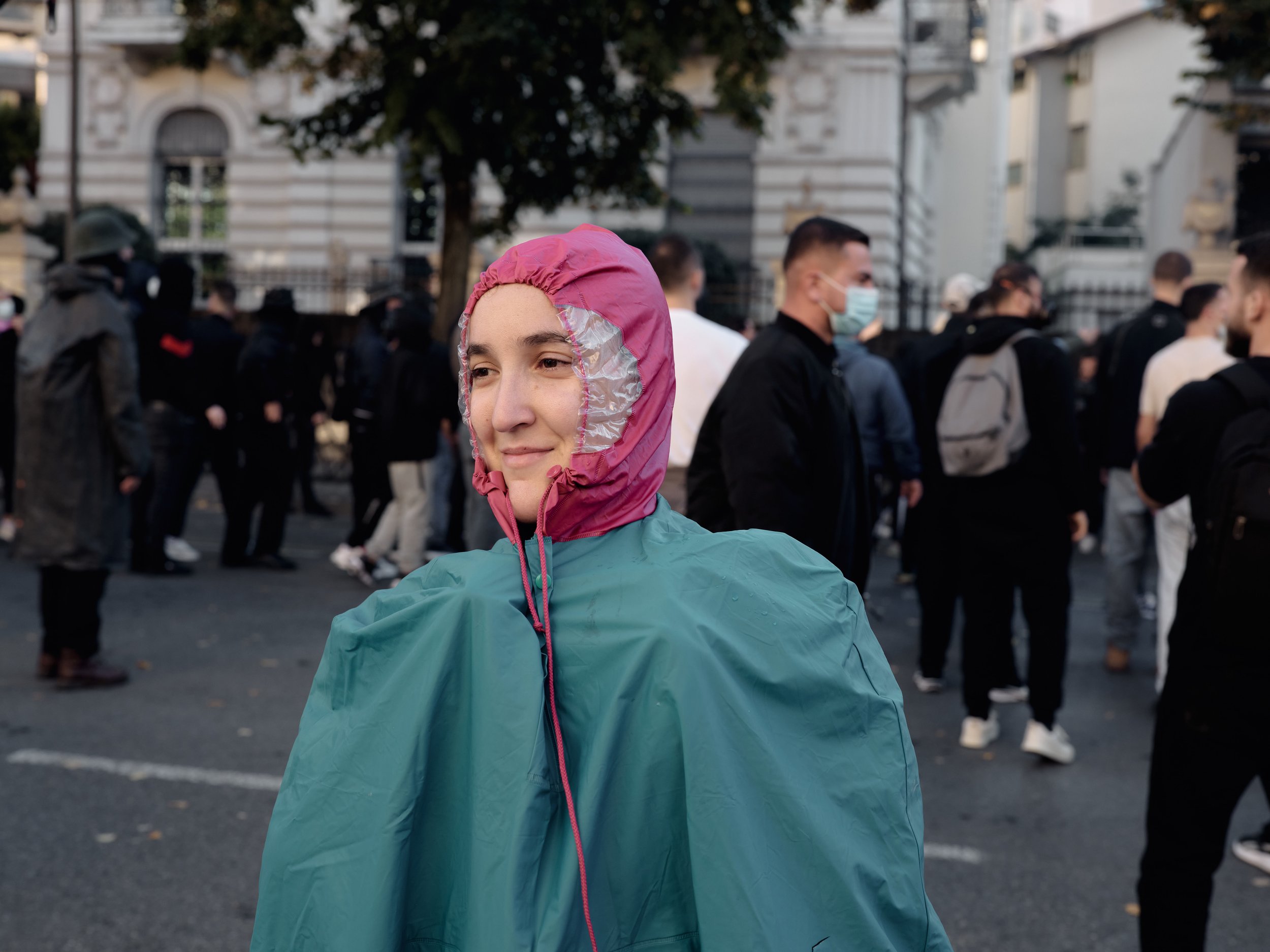
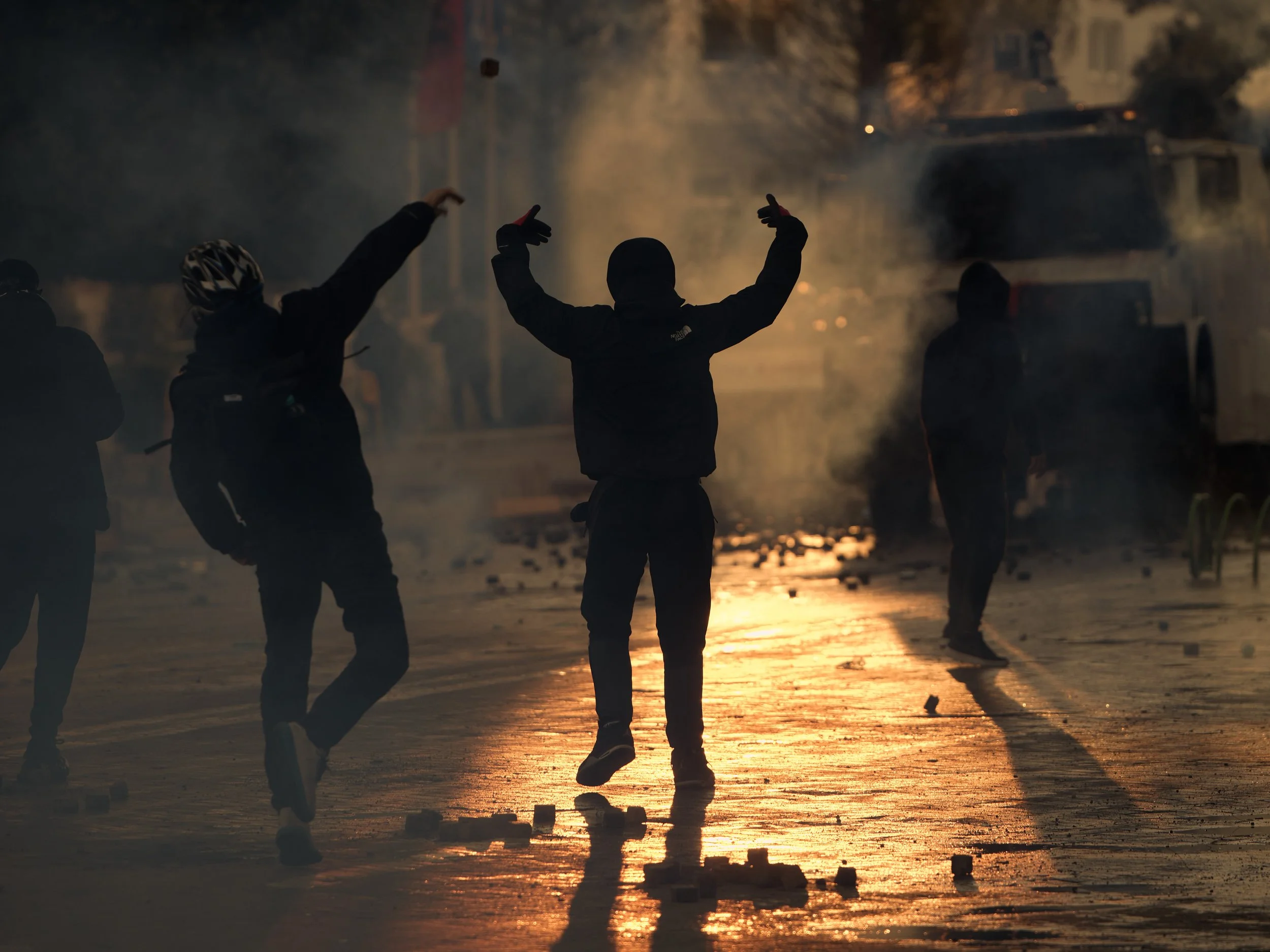
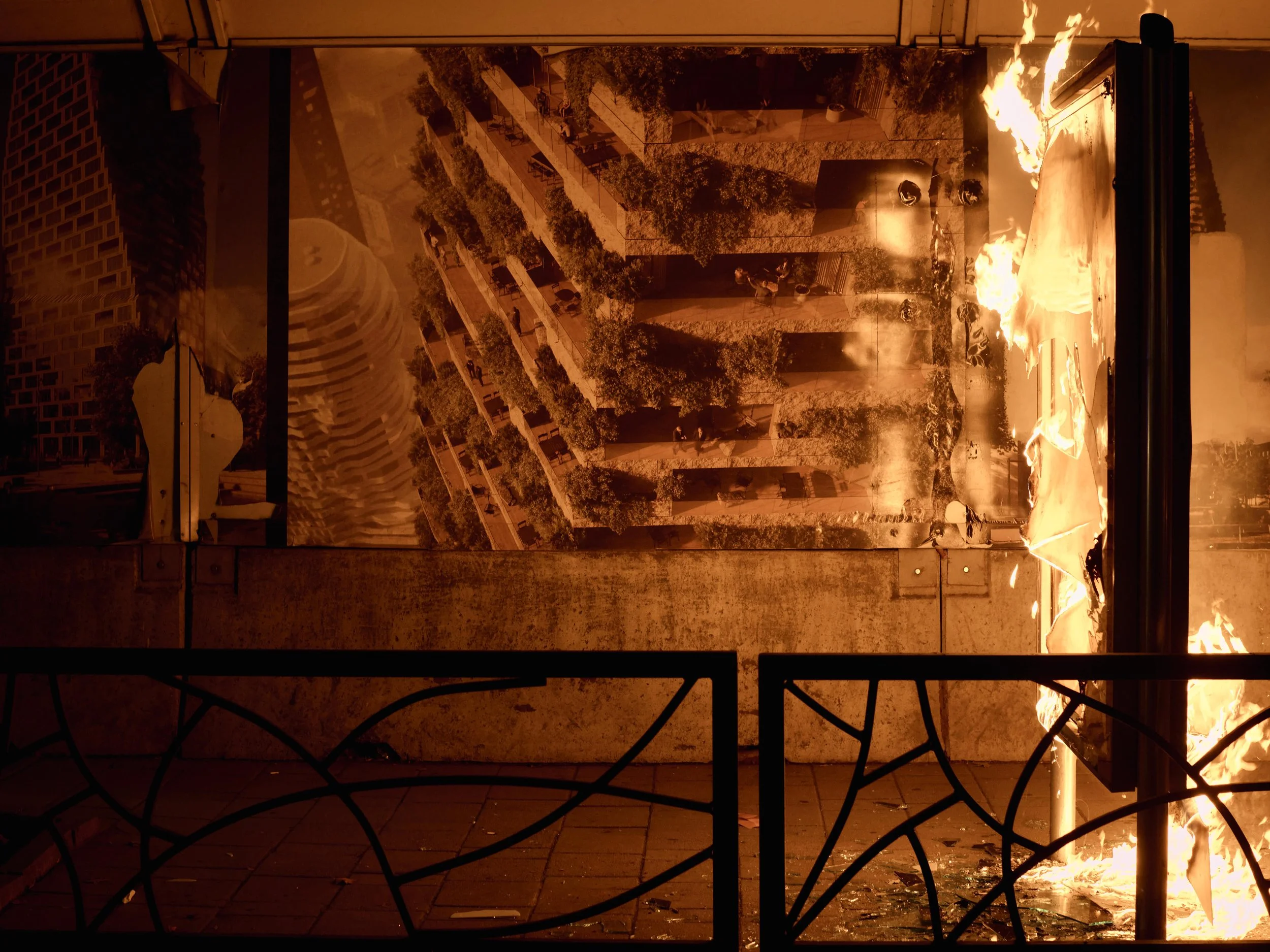
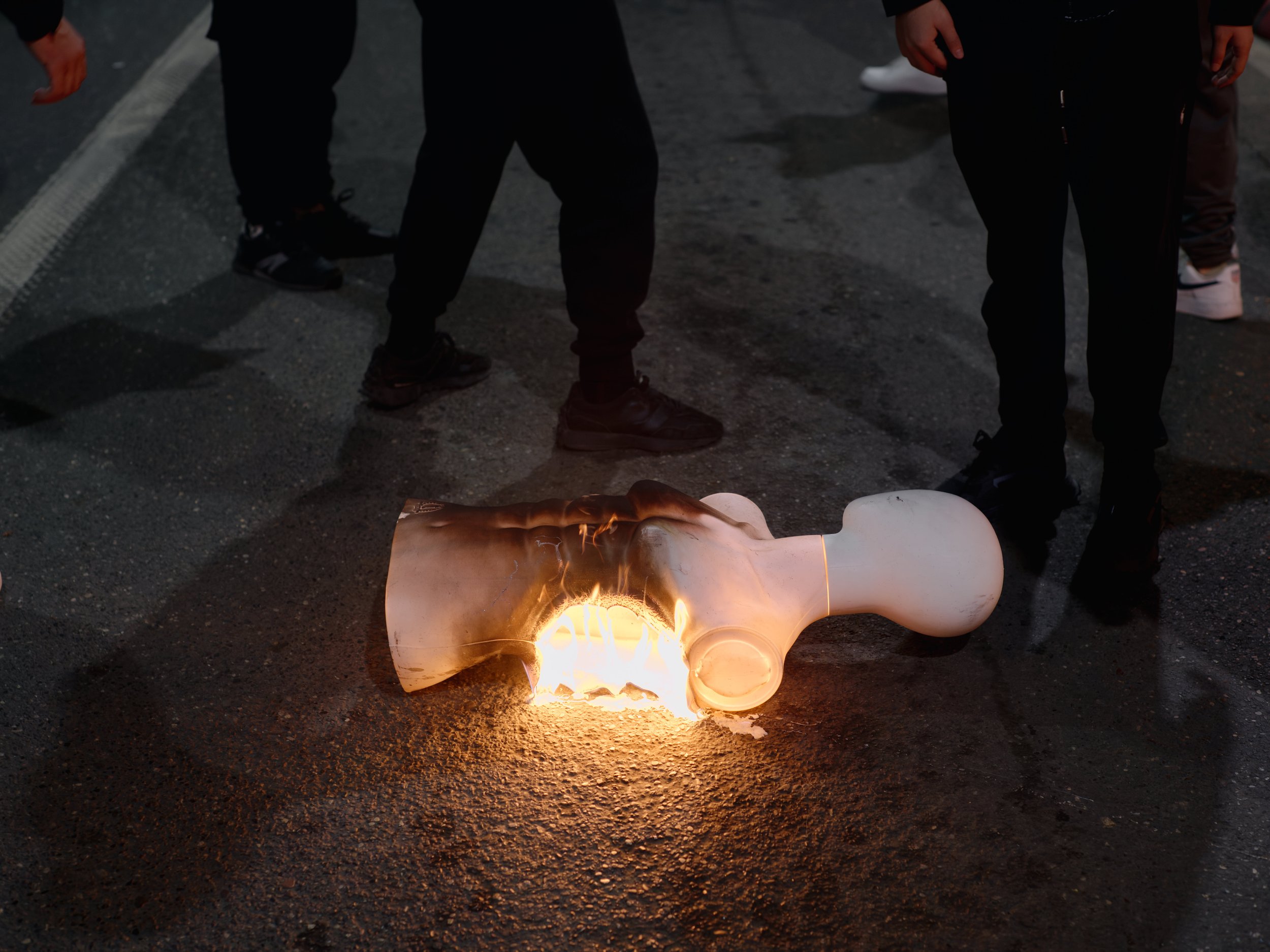
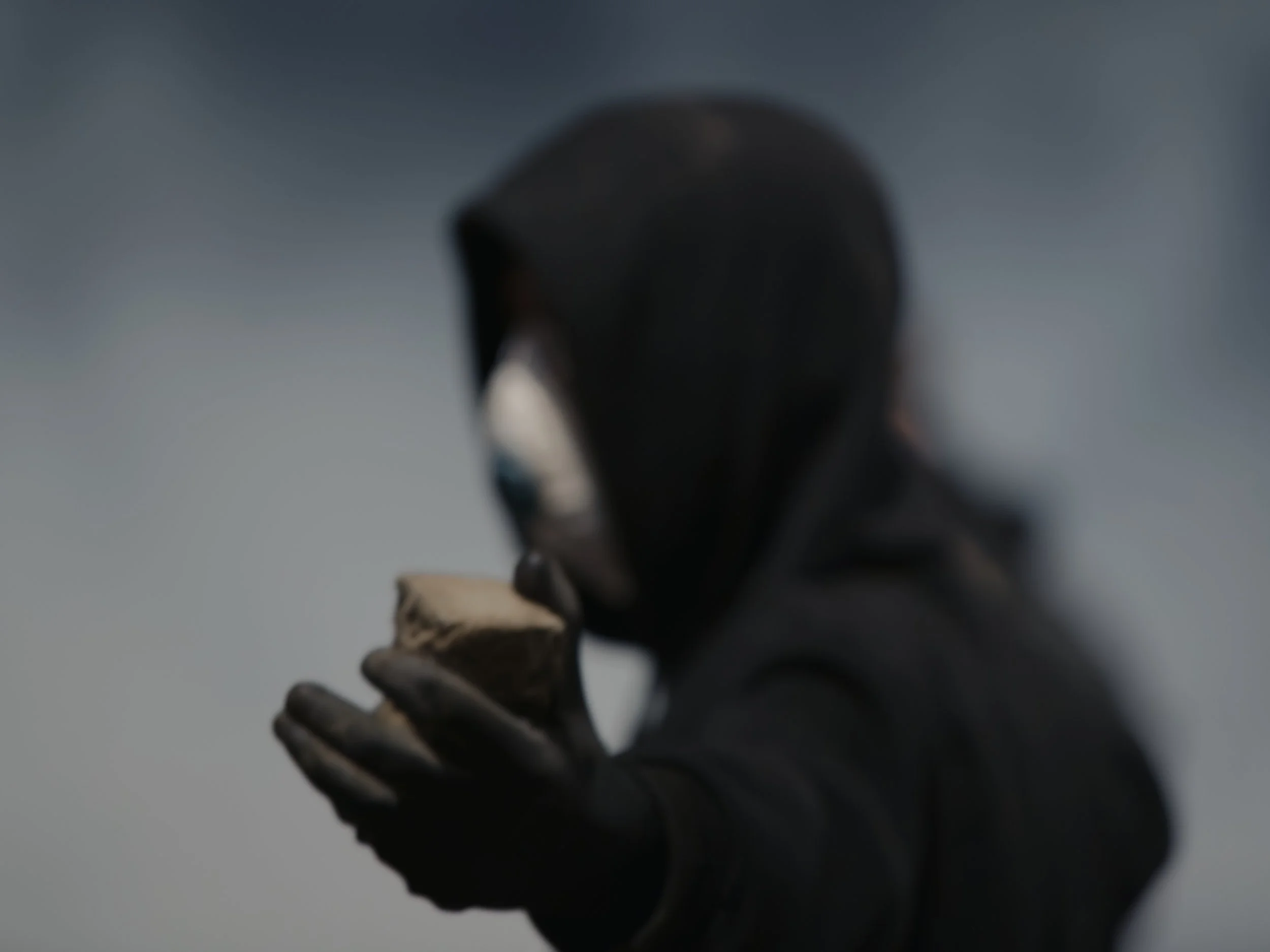
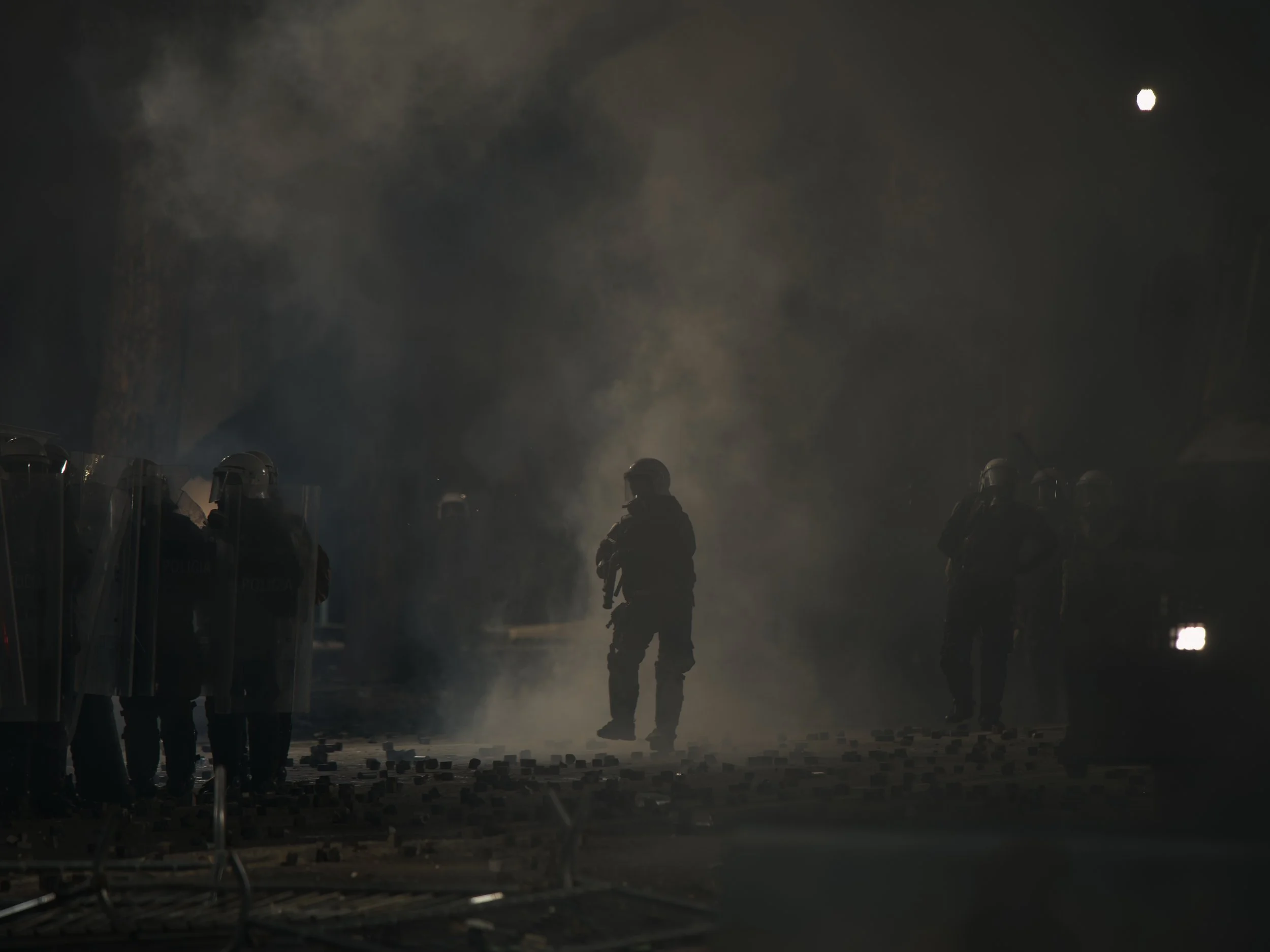
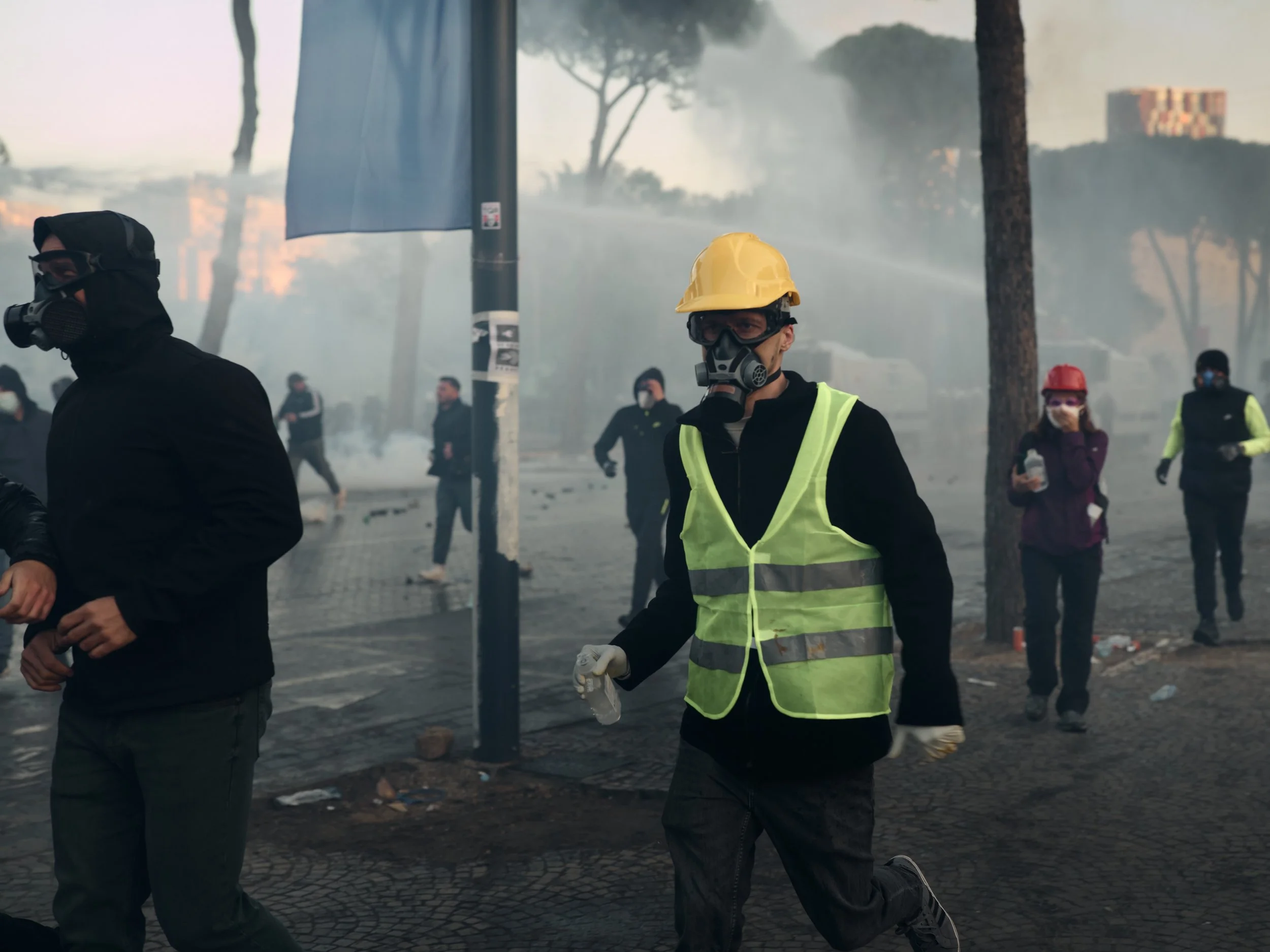
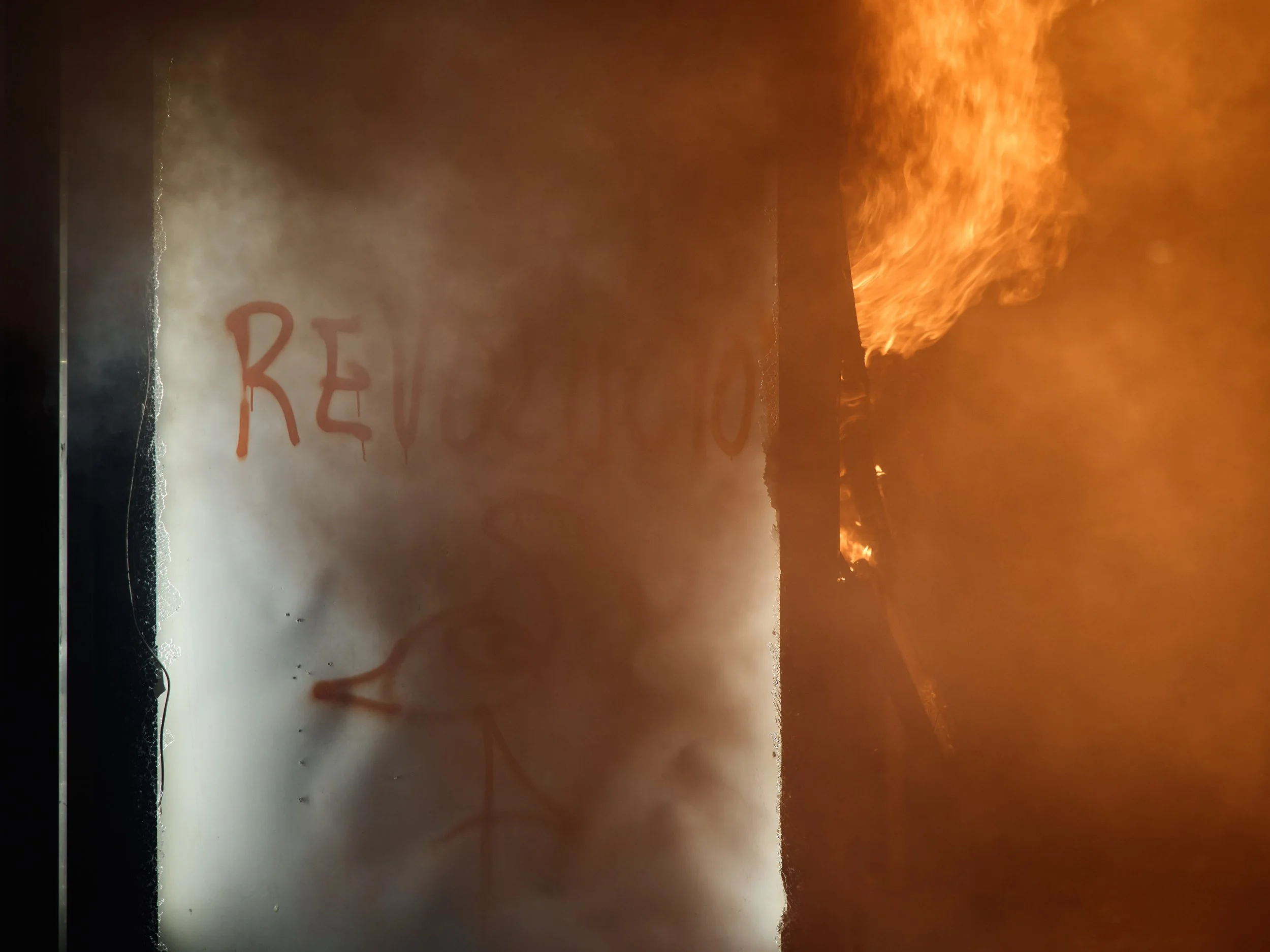
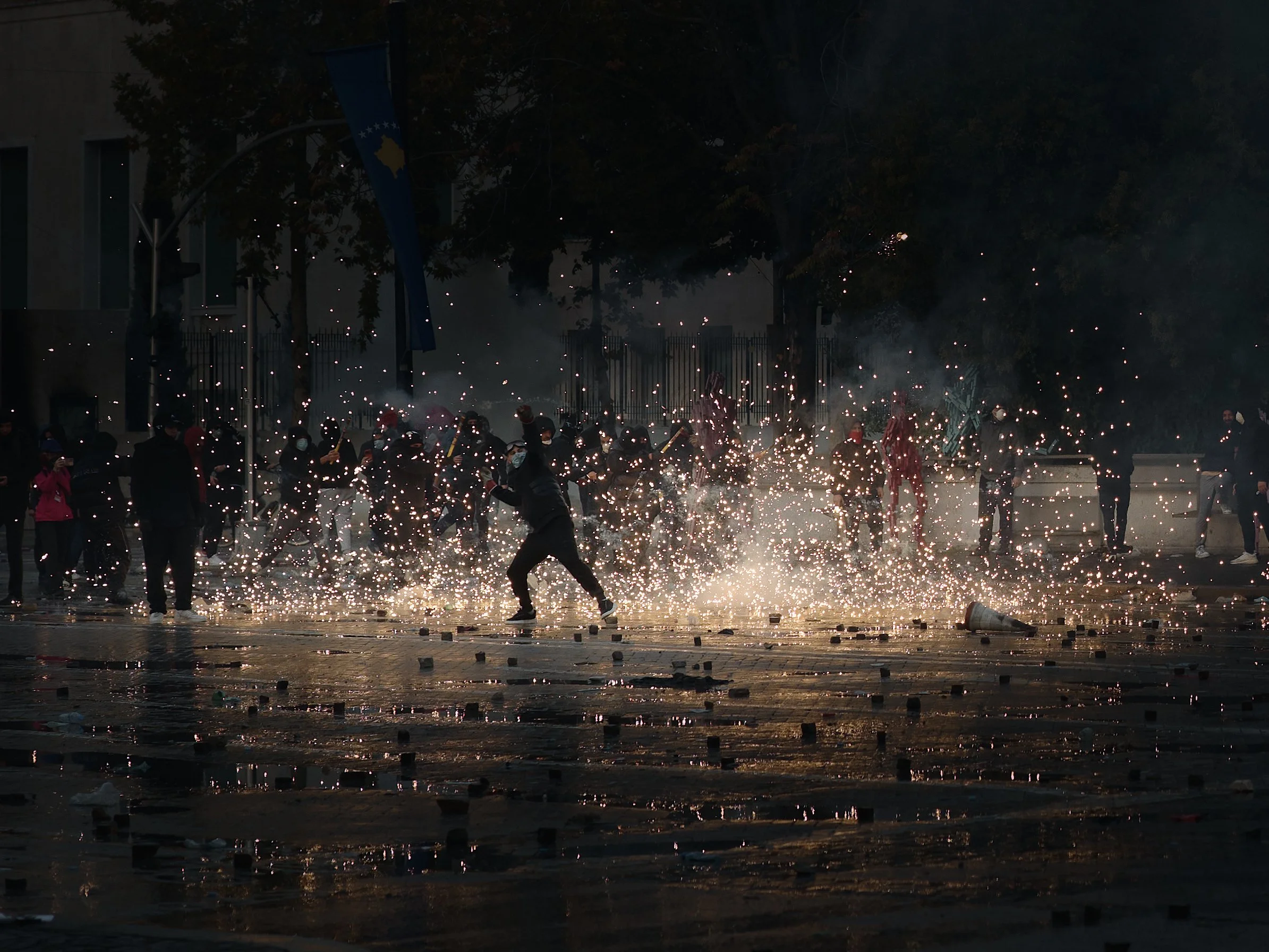
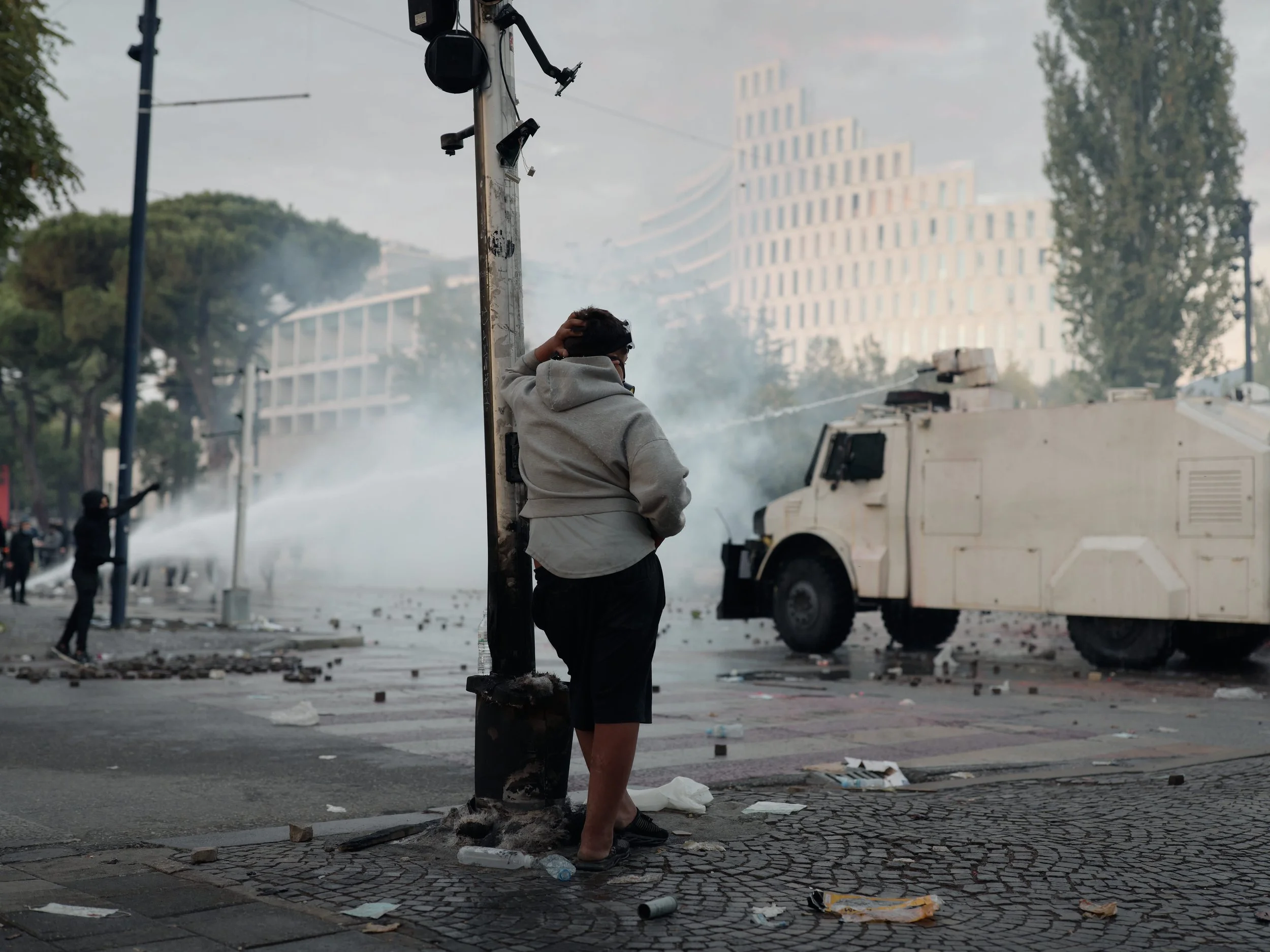
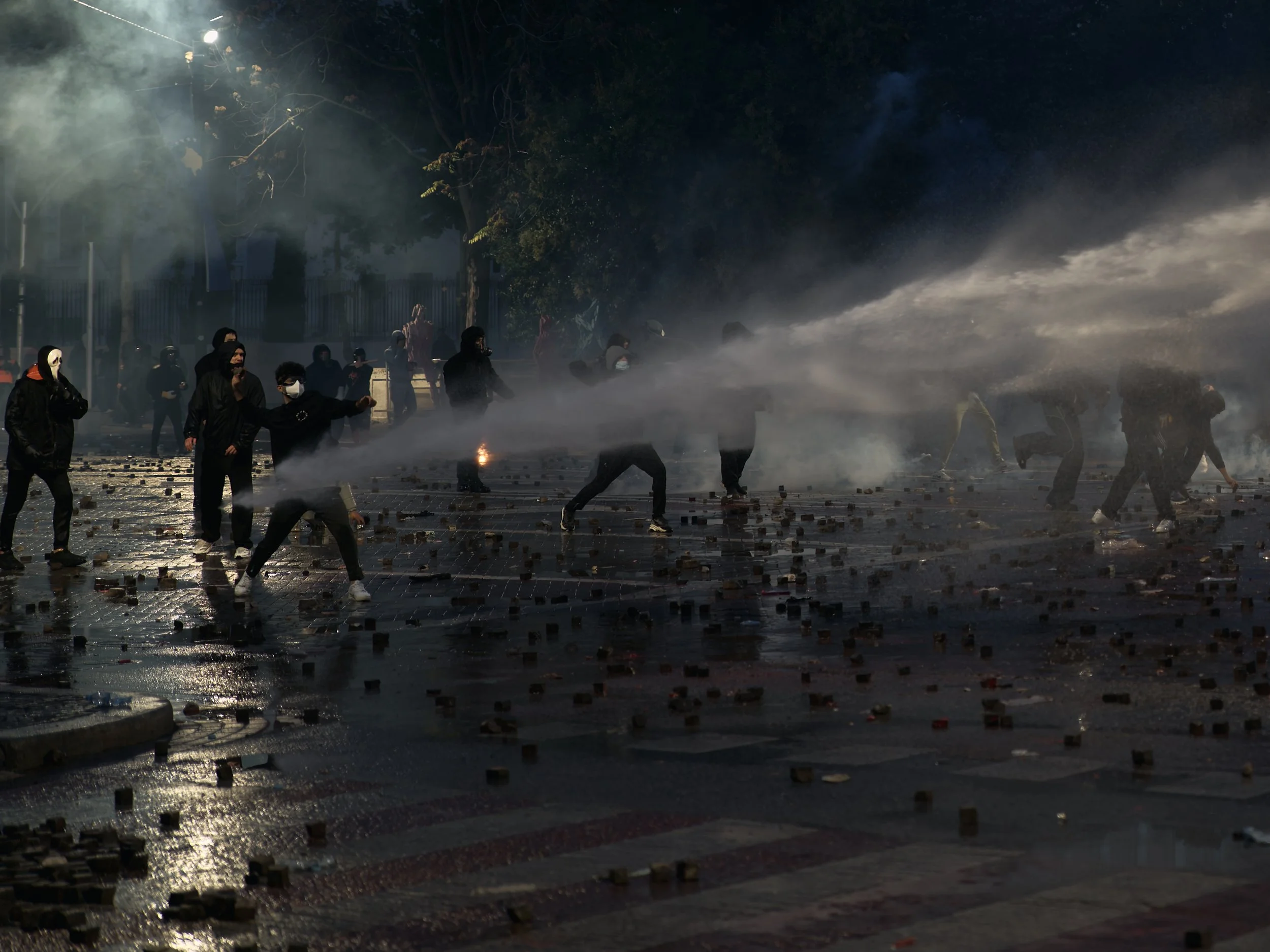
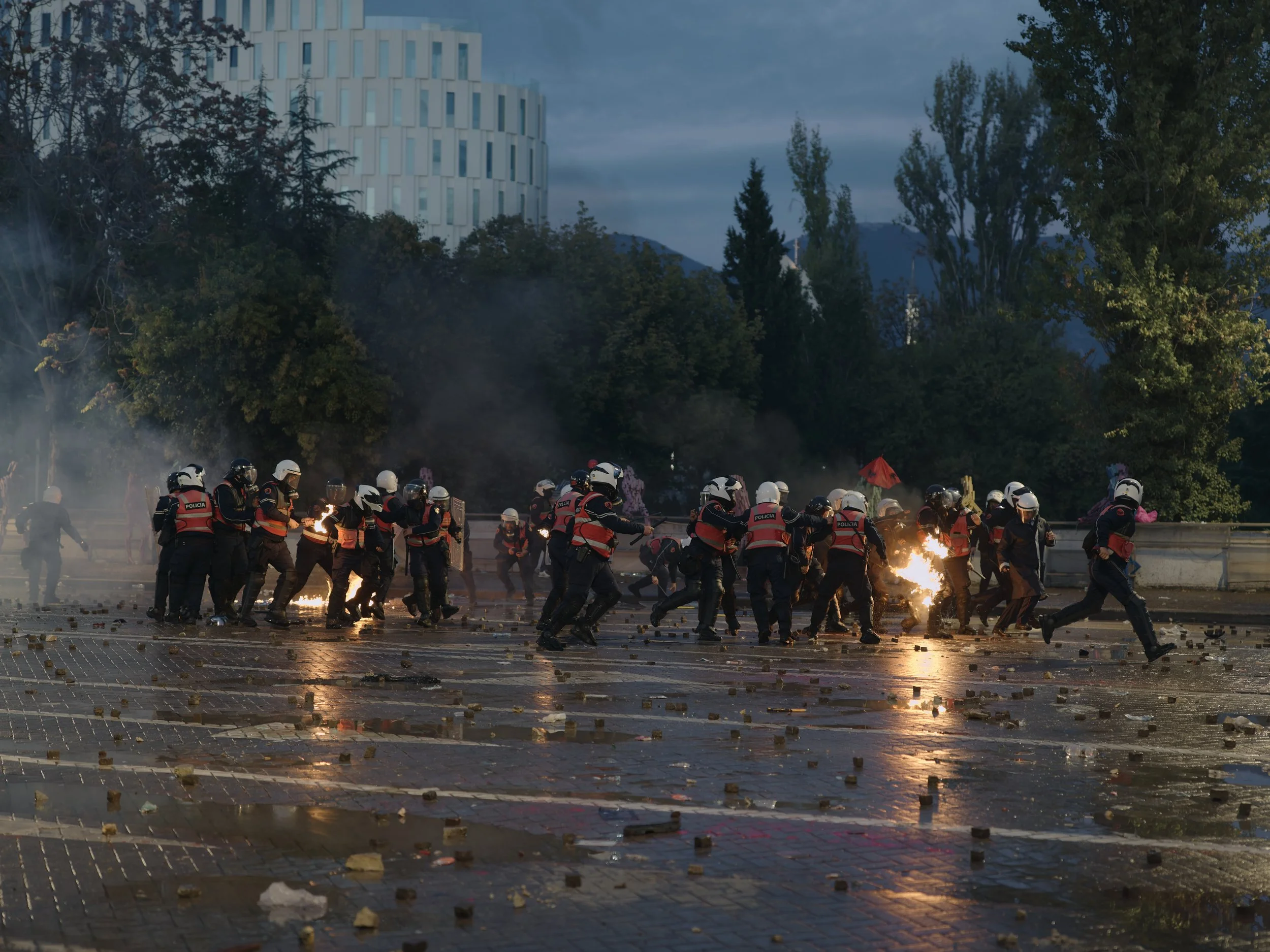
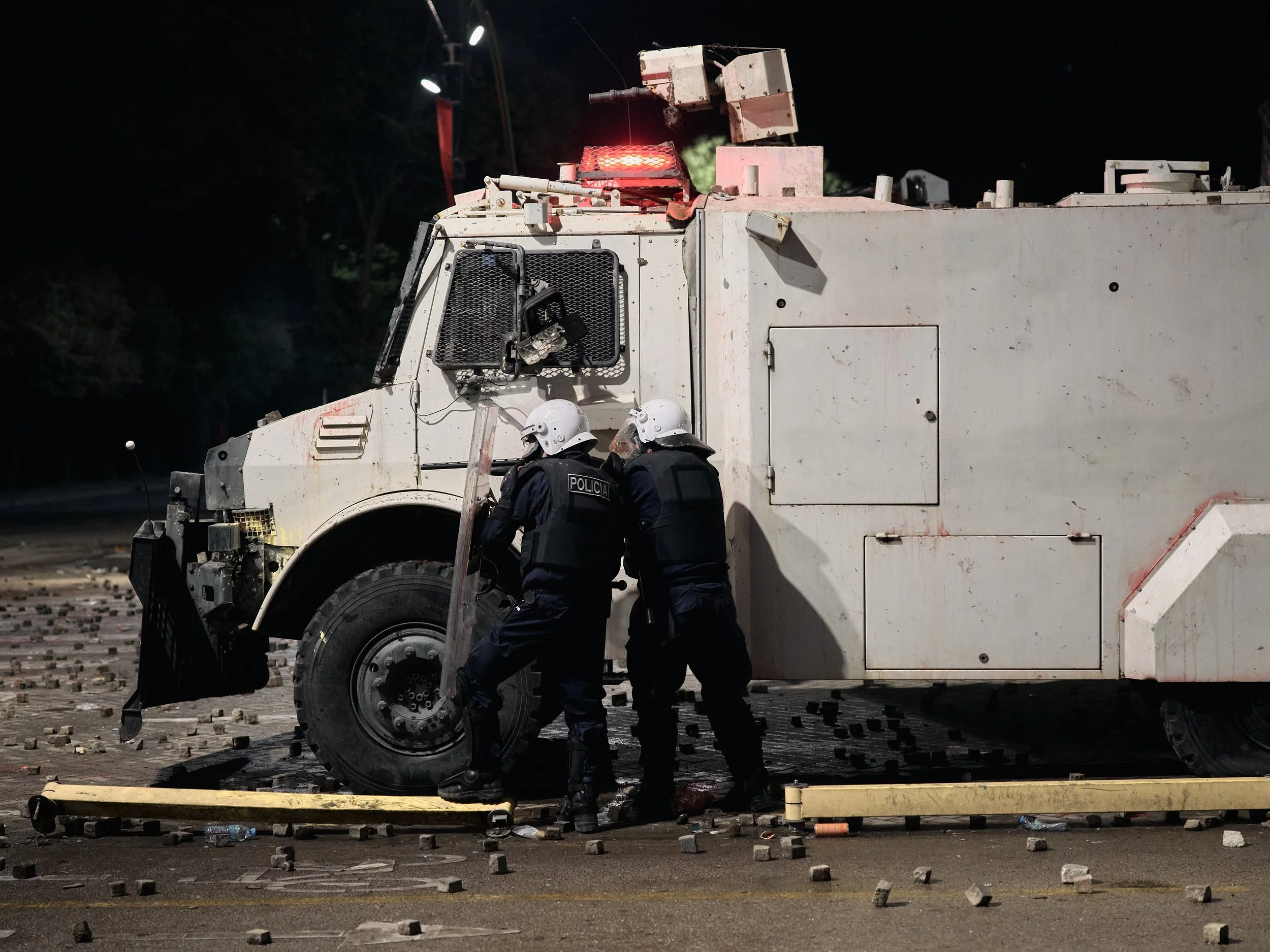
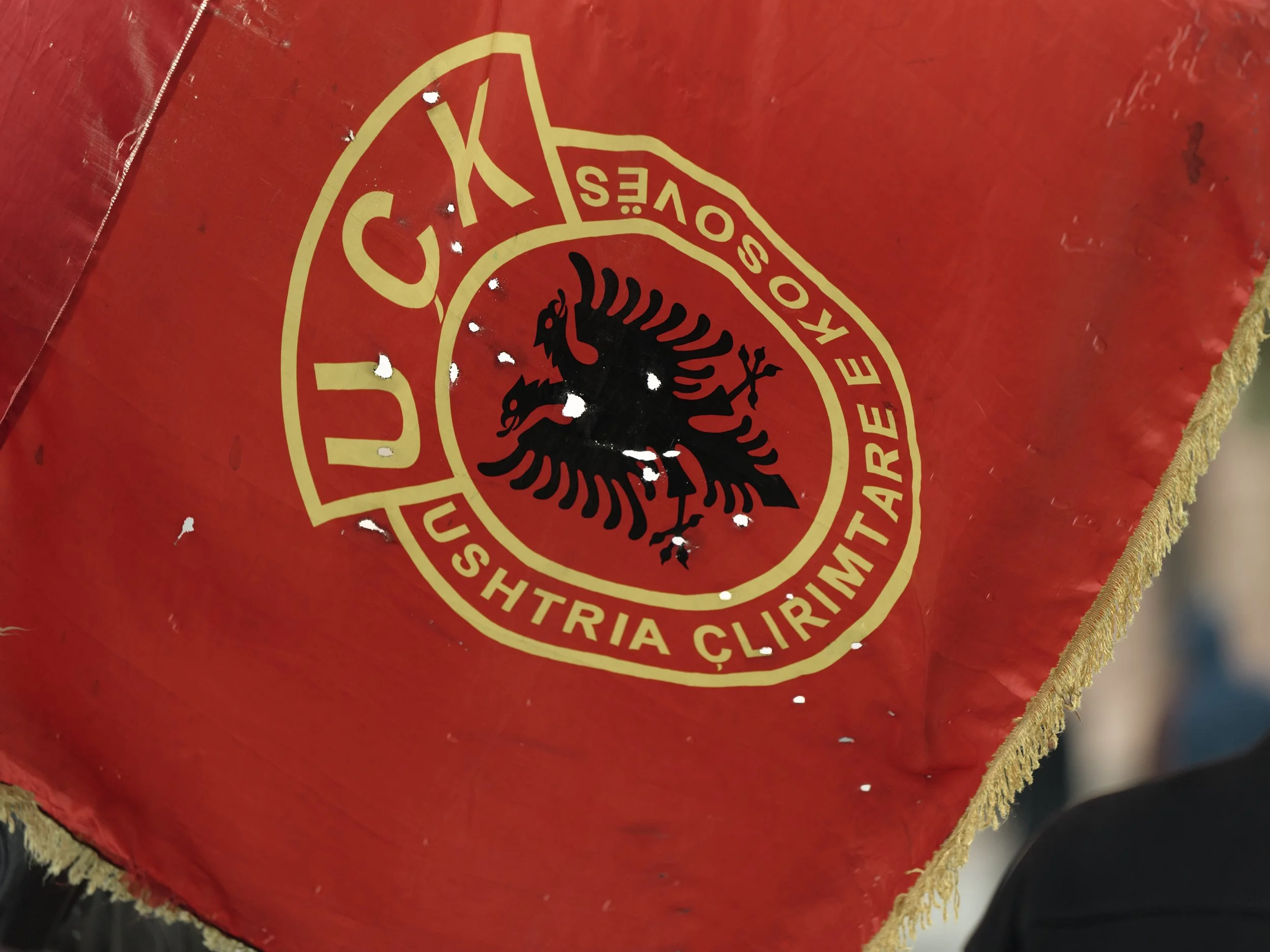
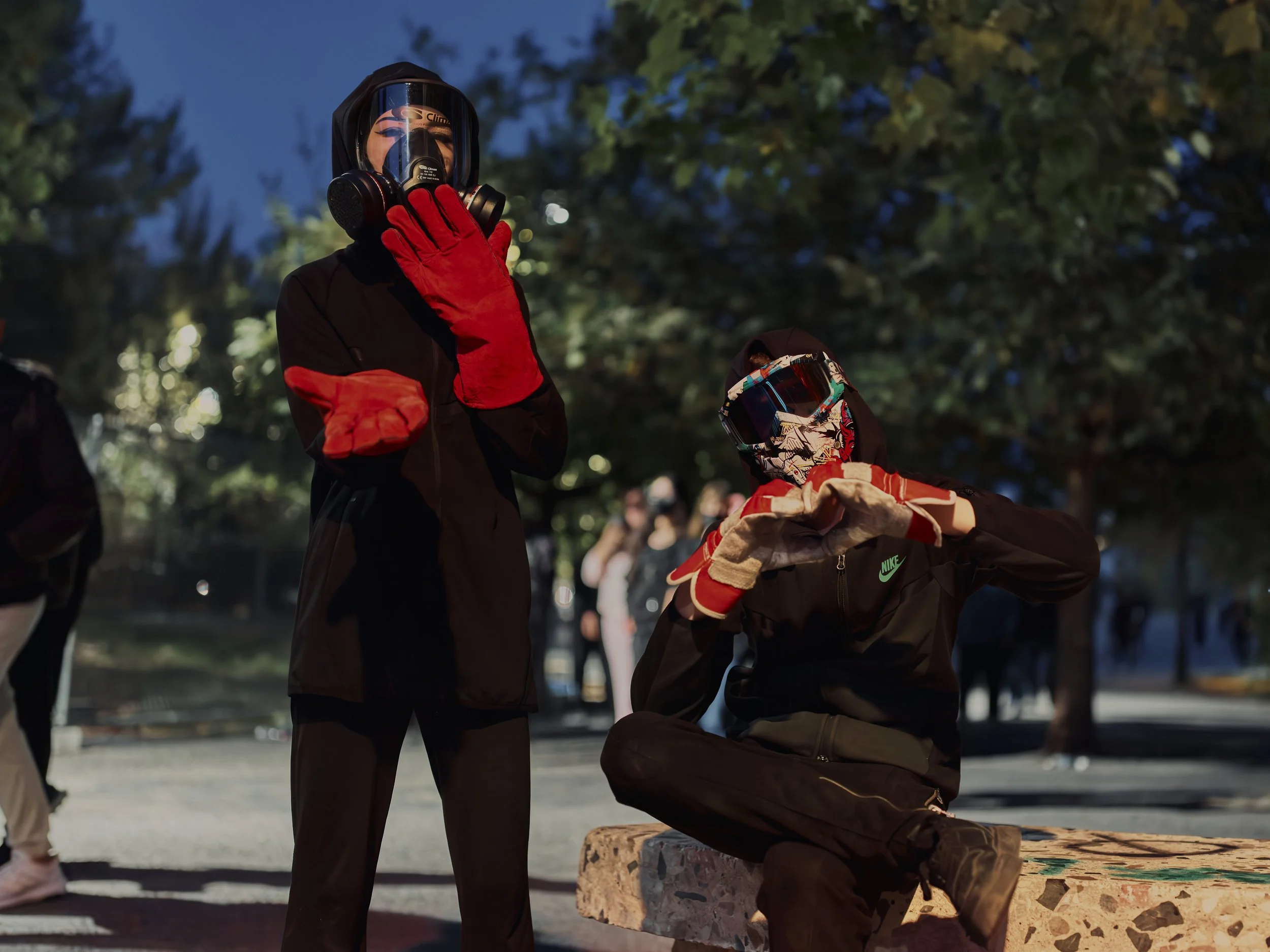
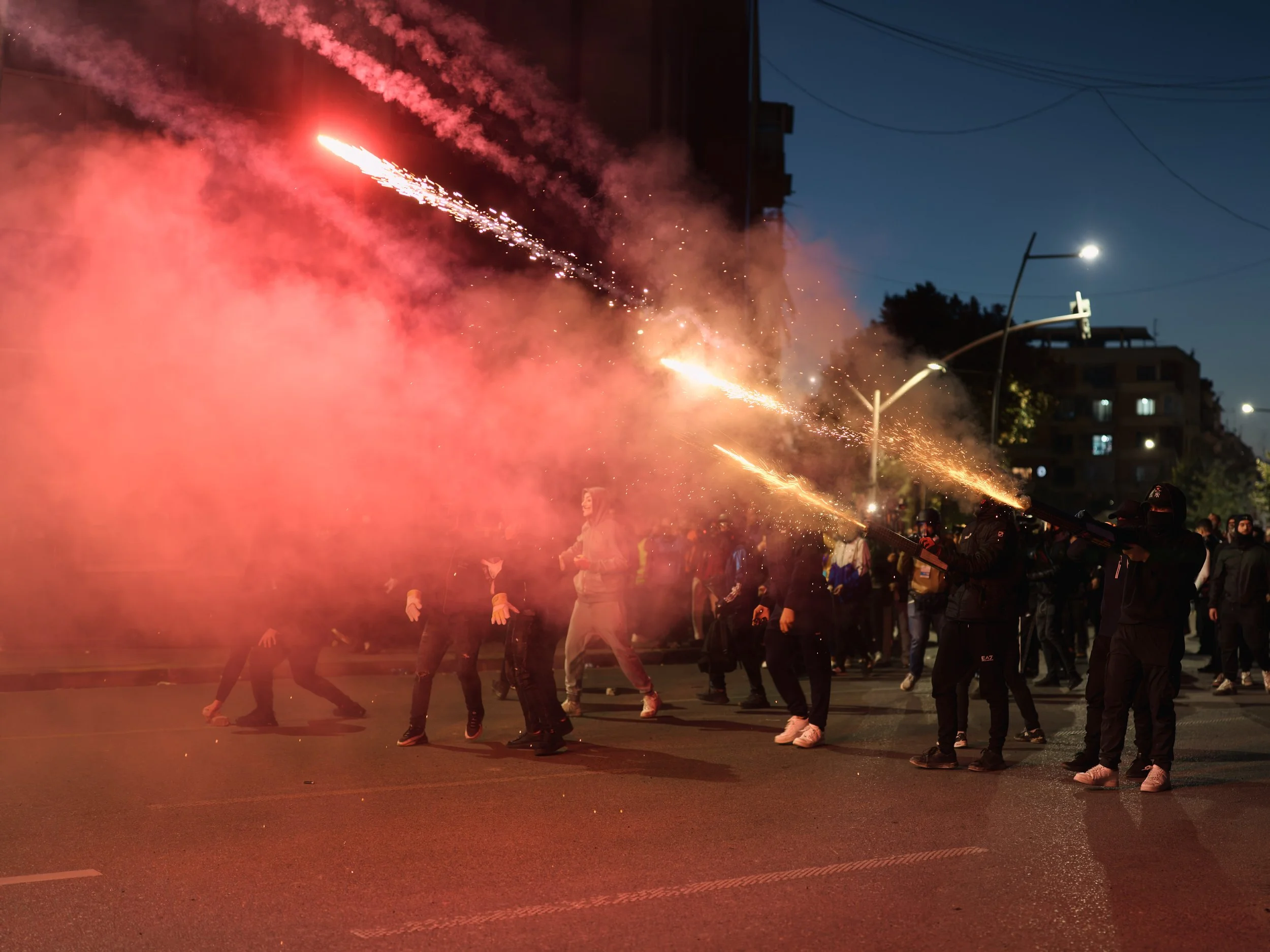
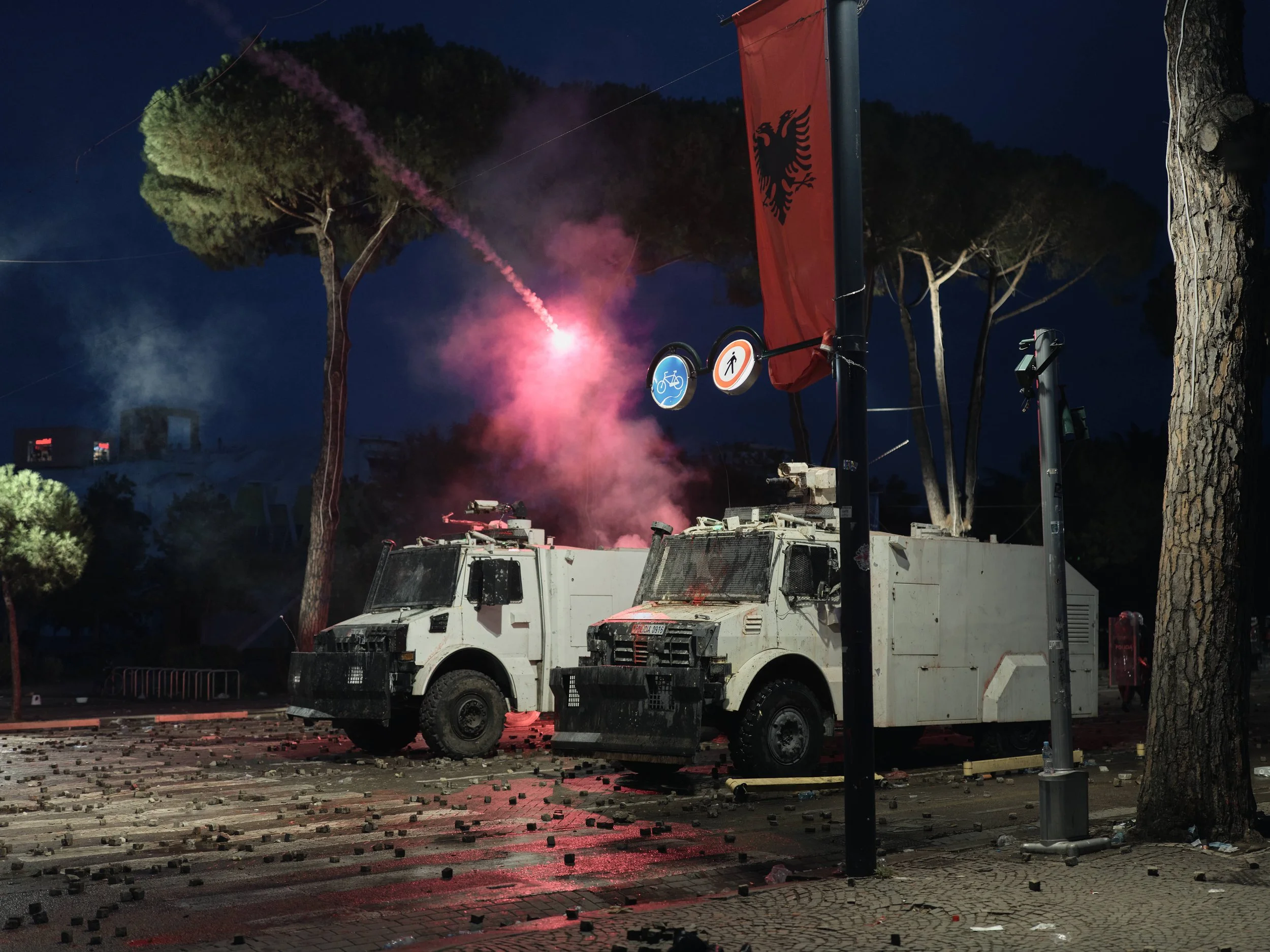
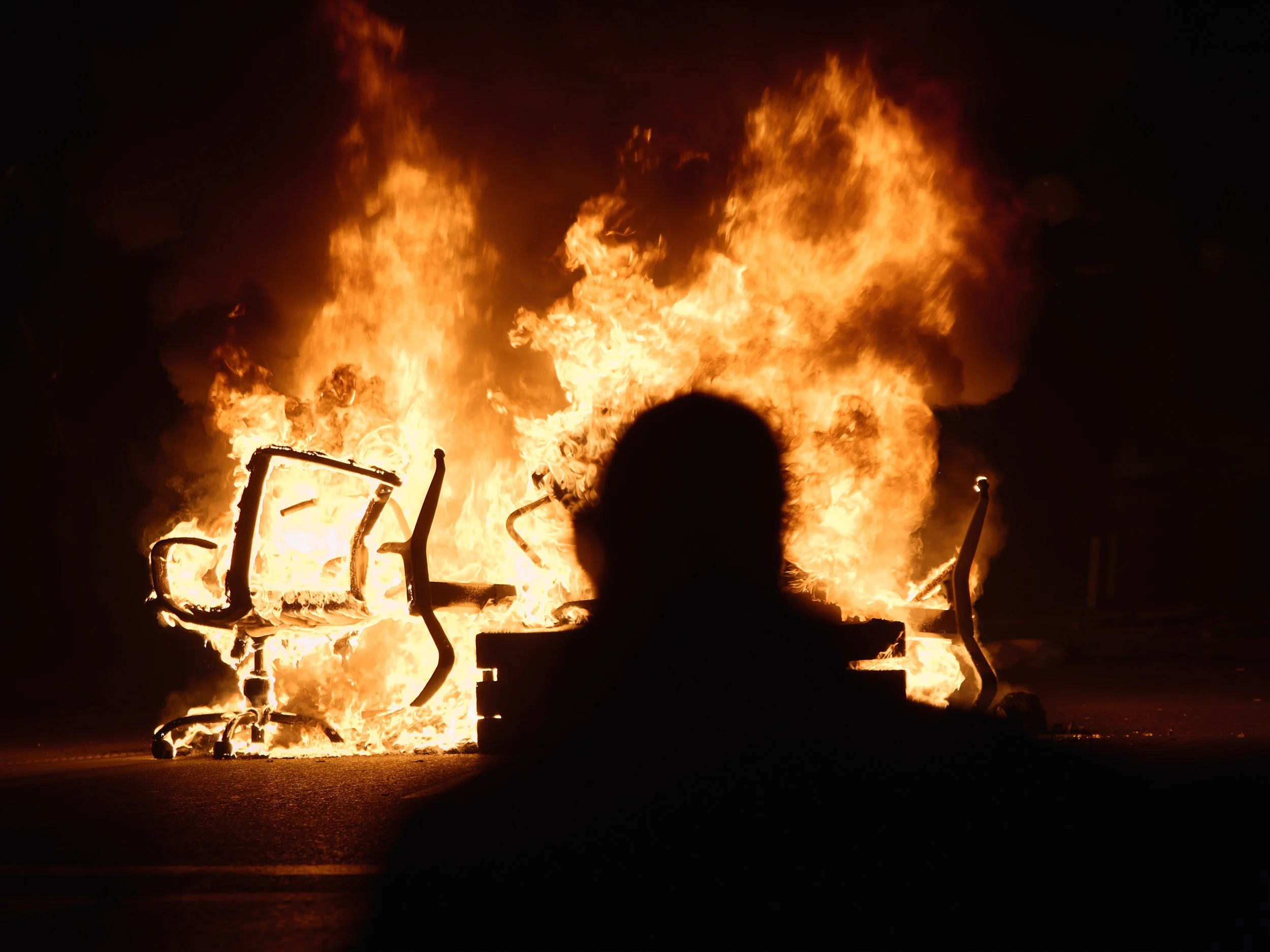
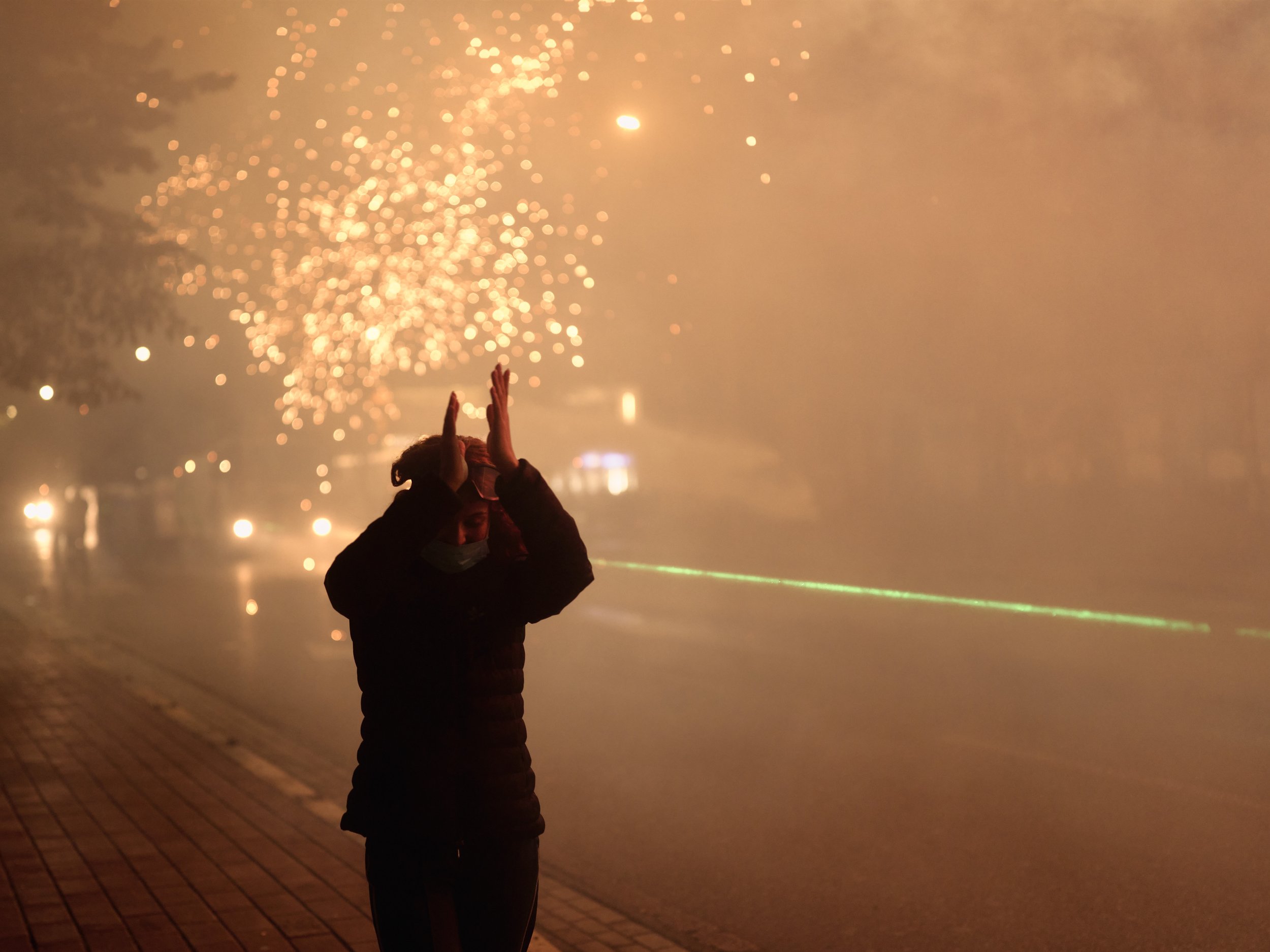
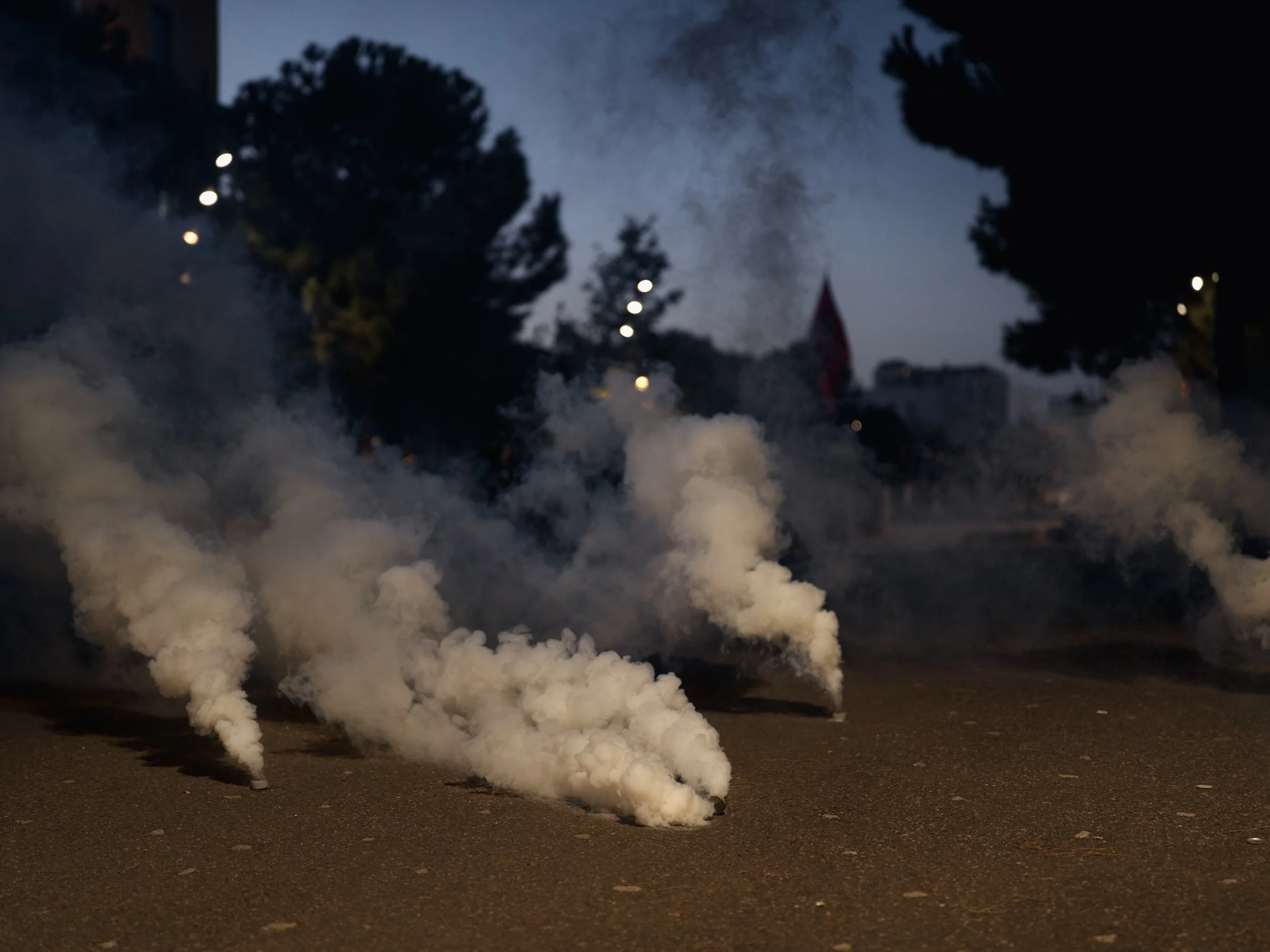
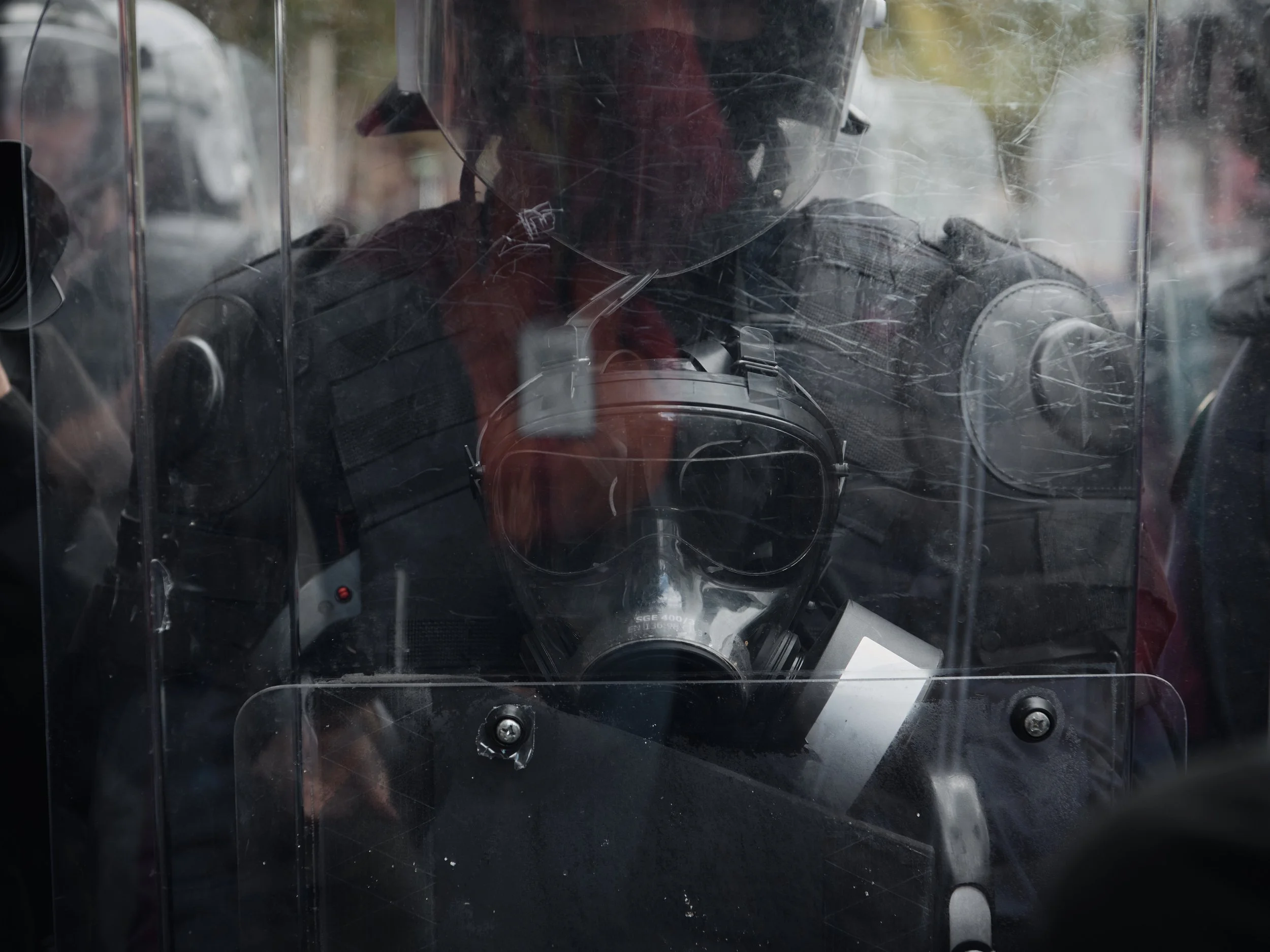
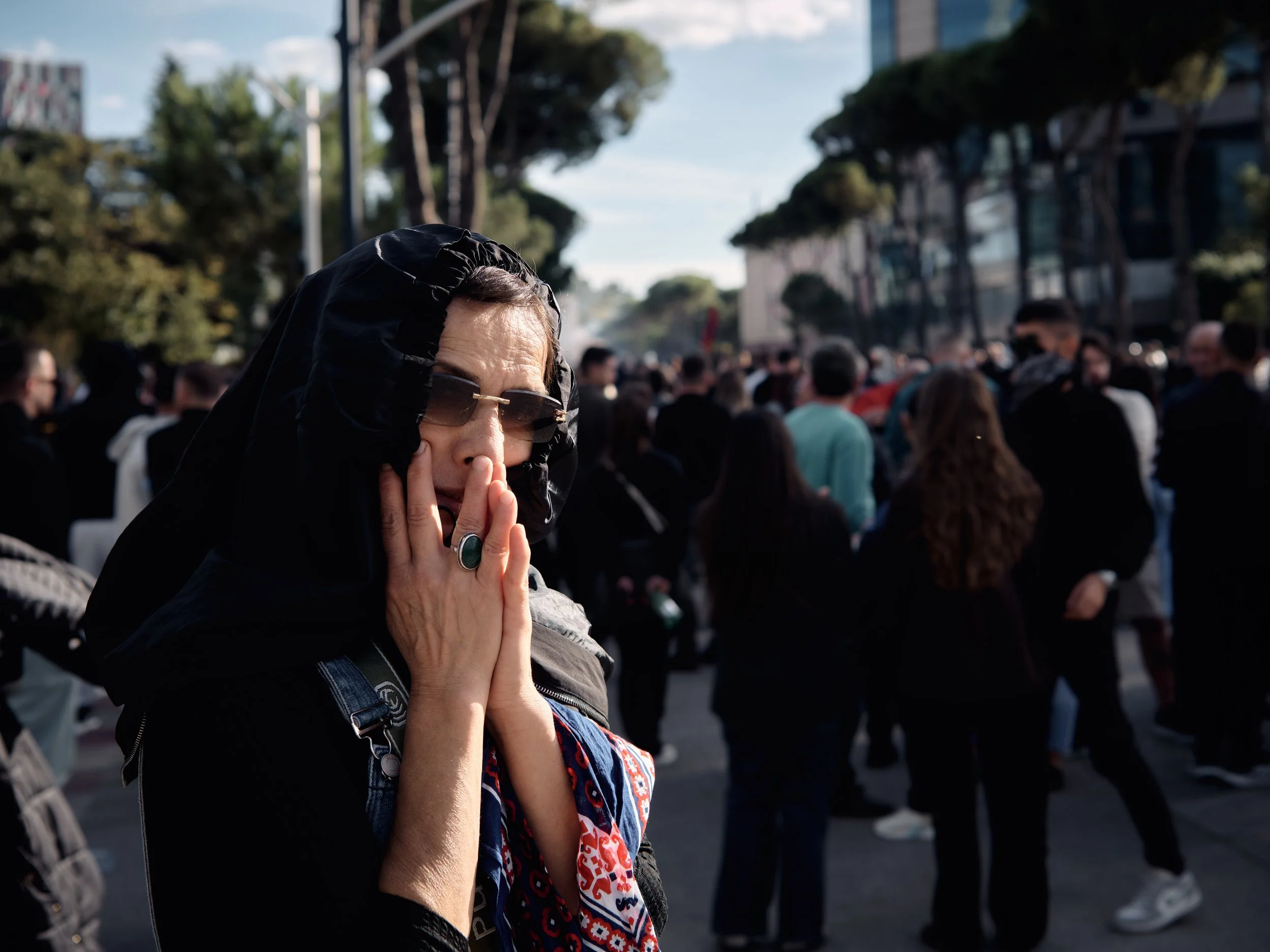
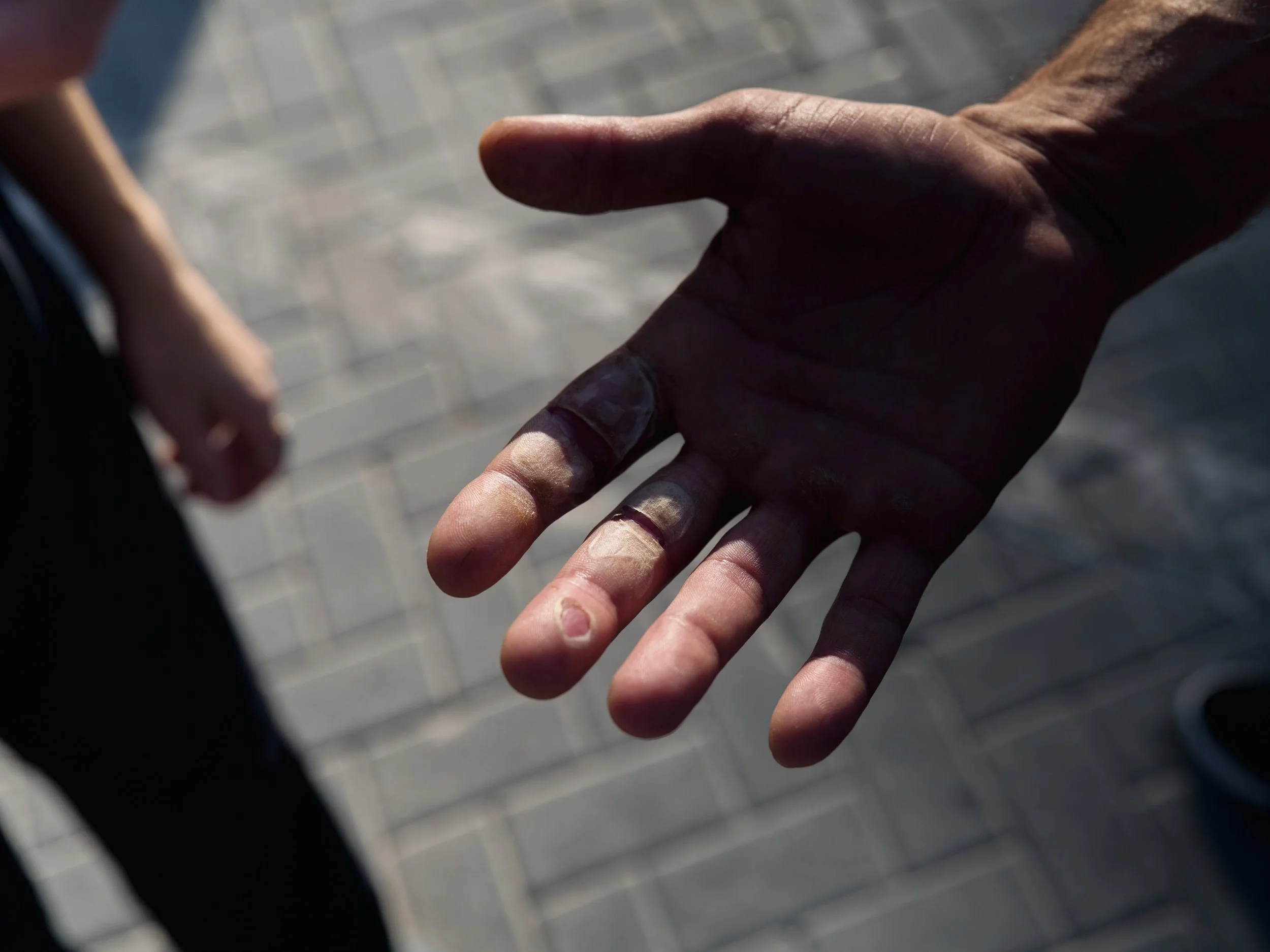
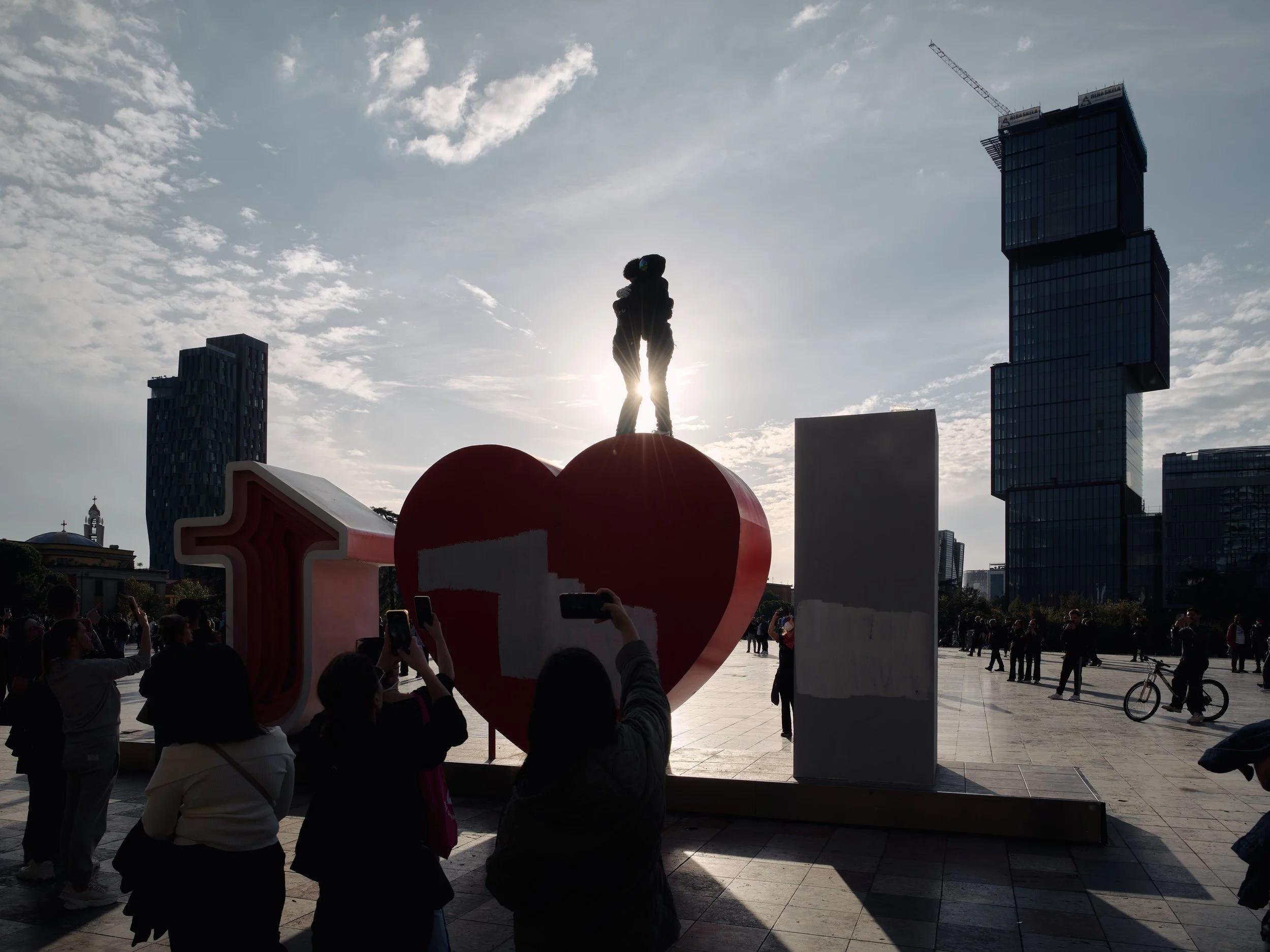
What began as a student movement demanding better conditions in higher education soon evolved into a broader expression of political dissent in Albania. In the streets of Tirana, demonstrations became a confrontation between citizens demanding accountability and a government increasingly challenged by public discontent.As tensions escalated, scenes of resistance unfolded alongside the disproportionate use of force by police, including tear gas, pepper spray, and rubber bullets, allegedly deployed in violation of established regulations. The burning of wooden chairs outside the Prime Minister’s Office became one of the defining images of a protest shaped by mounting frustration, confrontation, and the struggle to be heard.This photographic series documents more than moments of unrest. It captures the fragile boundary between peaceful assembly and confrontation, the human cost of repression, and the struggle over who gets to occupy public space, challenge authority, and make their voice heard. At its core lies a fundamental question: what happens when the right to protest is met with force rather than accountability?